
bone
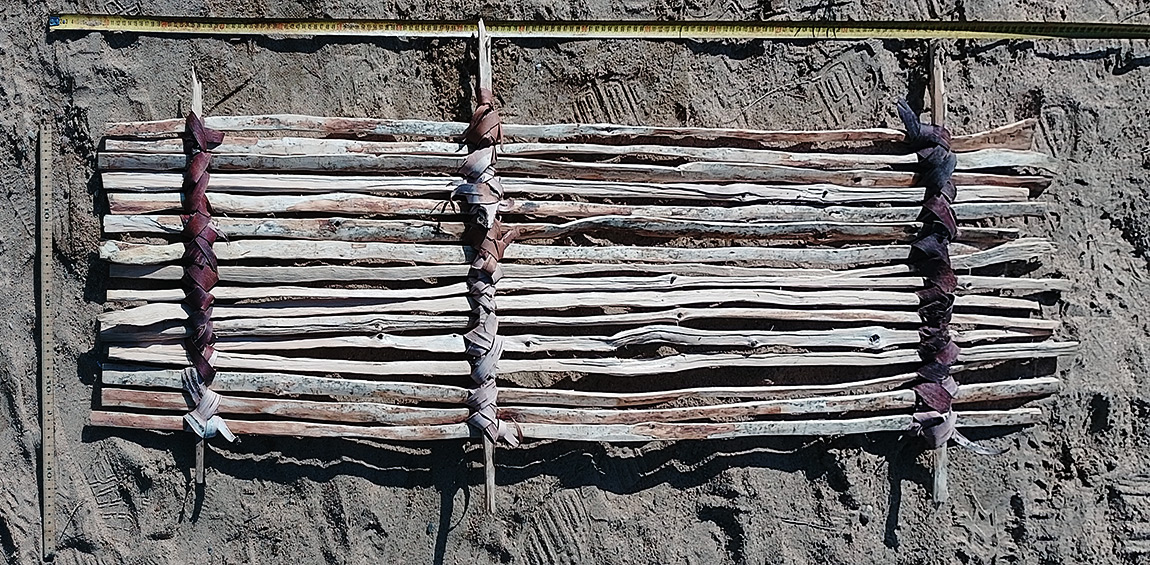
Split Pine Lath Technology: Experimental Replication of Mesolithic-Neolithic Laths used in Fishing Structures from the European and Central Russian Boreal Forest Zone
Publication Date
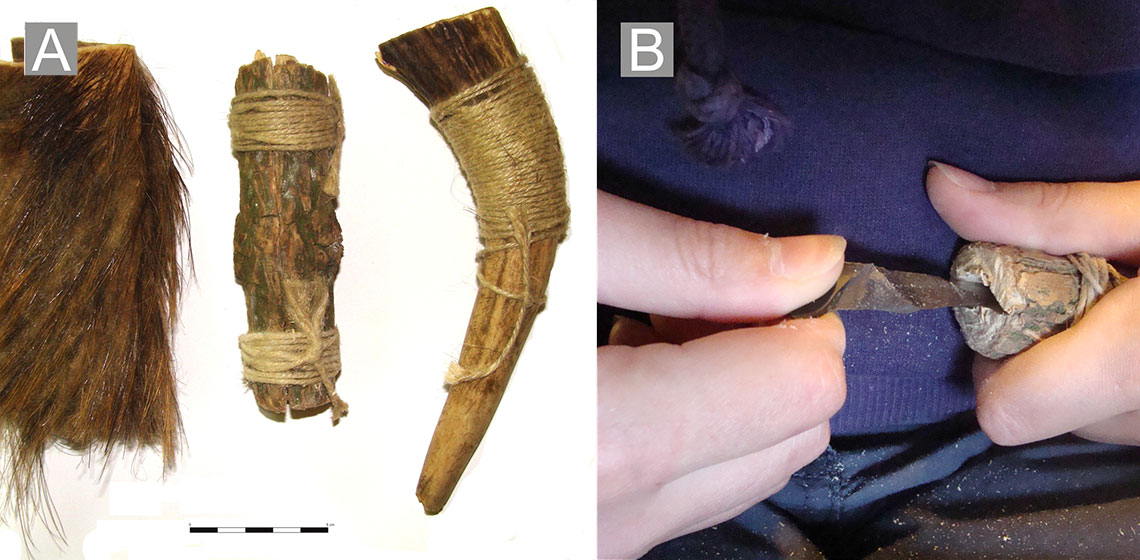
This experimental research investigates the production and functional interpretation of the refined split-pine lath technology employed in stationary fishing structures at Mesolithic and Neolithic wetland sites across the Boreal Forest, from Purkajasuo (Finland) to Zamostje 2 (Central Russia). Despite the prevalence of these highly technologically complex split pine laths, the tools and techniques required to make them at scale remain poorly understood. Through a framework of experimental replication informed by practitioner expertise and ethnographic parallels, this research challenges the previously proposed manufacturing model using 45° bevelled bone tools. Controlled experiments demonstrated that a more intuitive wedge-shaped tool and a technique of cleaving along natural growth rings achieved superior results.
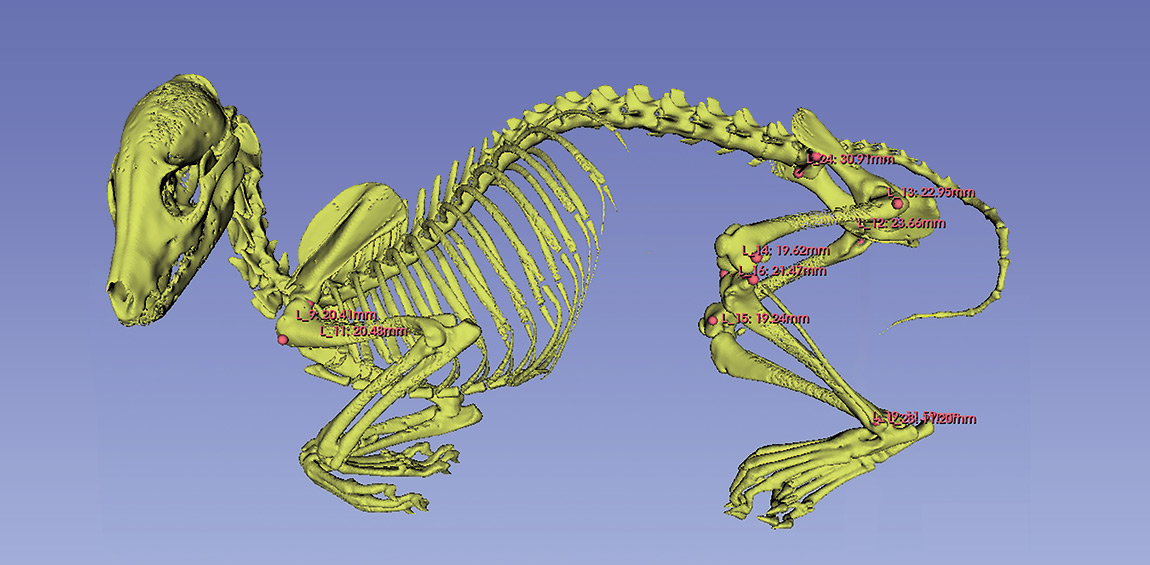
Examination of Bone Alterations Through Experimental Burning of Animal Carcasses: A Preliminary Study in Japan
Publication Date
Burned human remains, suggesting the presence of different burning processes, have been reported from Late Jōmon period sites in Japan. Compared with Western countries, however, experimental research in Japan aimed at clarifying the causal relationship between burning conditions and bone alterations remains limited. Consequently, determining which specific burning conditions account for the morphological variations observed in archaeologically burned human bones continues to pose a challenge. This study conducted four controlled burning experiments to compare the effects of different burning conditions on bone alterations, using animal carcasses with soft tissue as well as defleshed and defatted bones...
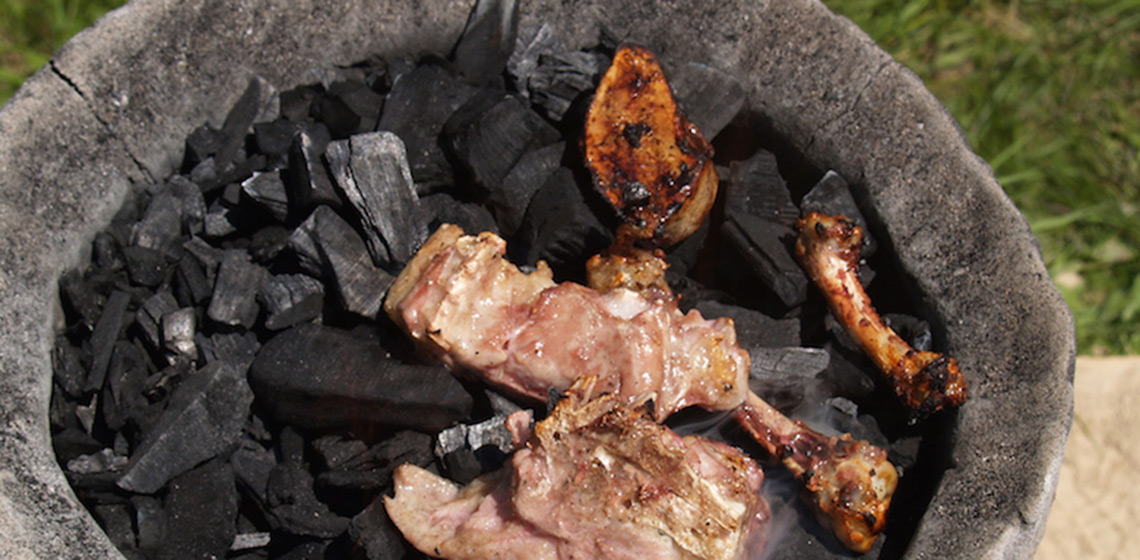
“Look at the Bones!” - Adding Bone in a Bloomery Iron Smelt
Publication Date
A case study of a practical experimental test. Through 2019, much was made in the popular press suggesting that during the Viking Age, exhumed human bone had been used in the chain of production from iron ore through to finished swords. Contradicting this, considerable experience with small scale direct reduction process bloomery iron smelting furnaces indicated...
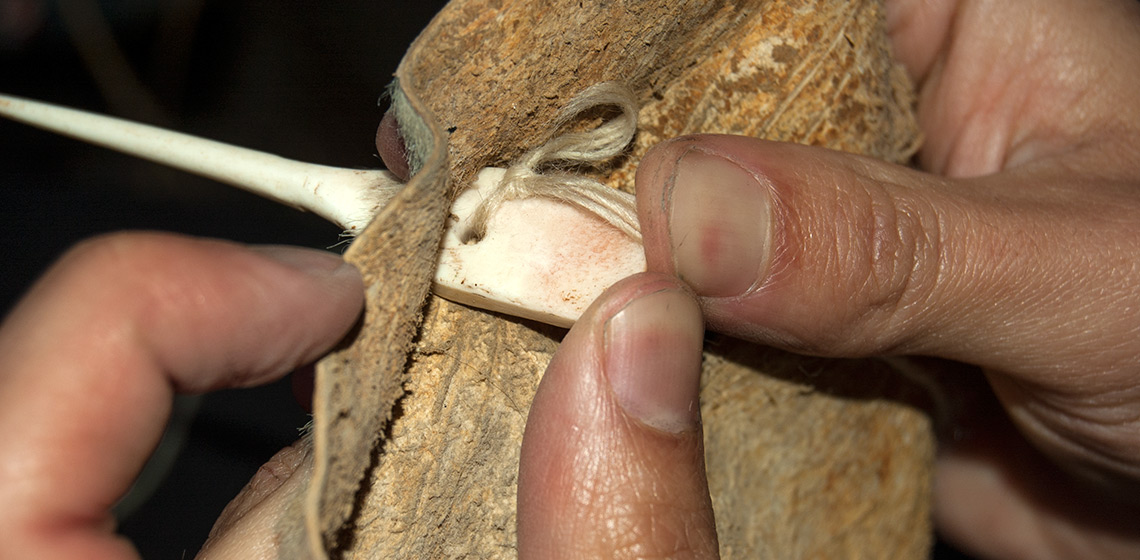
Different Types of Needles for Specific Uses? Experimental Reproductions of some Finds from Aradetis Orgora, Georgia
Publication Date
This research aimed to evaluate some new hypotheses about the production and use of a class of pointed tools from the Bronze Age layers of Aradetis Orgora (Georgia), which have been traditionally considered as pins. Its main goal was to provide an alternative interpretation of their function, namely as tools used in basketry...
Roman Bone Artefacts – First Steps Towards a New Approach
Publication Date
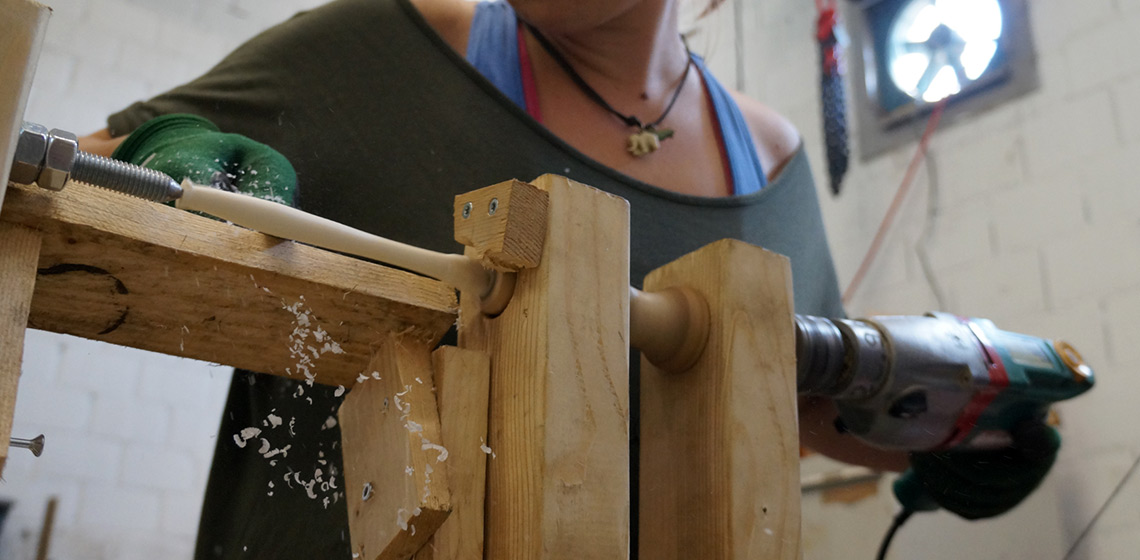
To date, archaeologists often use a typological approach to assess the functions of bone artefacts from the Roman period. In some of these assigned typological groups, certain artefacts do not have a clear definition. This study aimed to assess whether use-wear analysis combined with experimental archaeology could be applied to bone artefacts from the Roman period as ...
Roe Deer as Raw Material for Middle Mesolithic Fishhooks? An Experimental Approach to the Manufacture of Small Bone Fishhooks
Publication Date
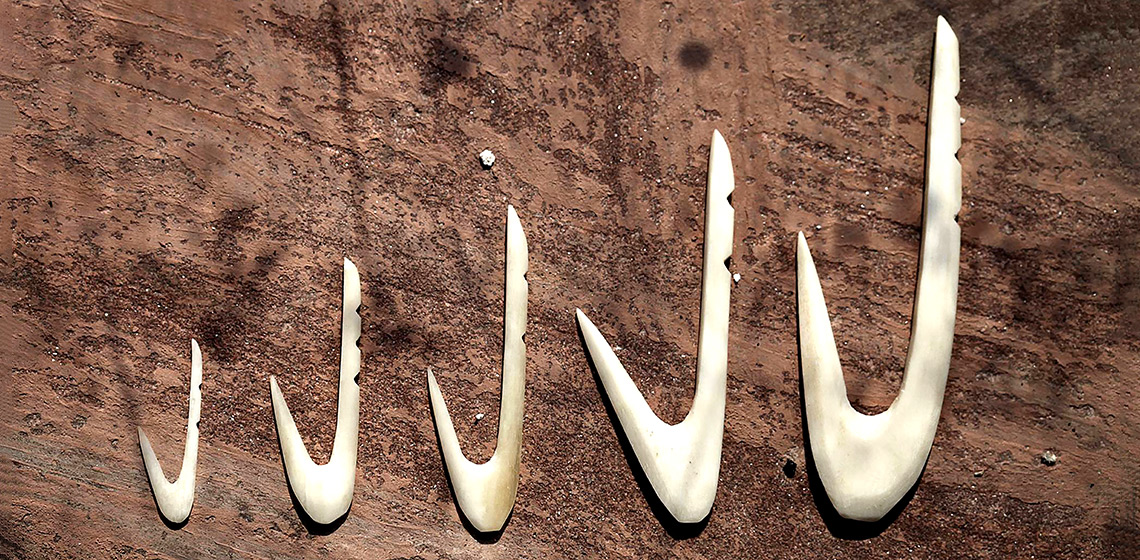
Bone fishhooks have occasionally been retrieved from bone assemblages at coastal sites dating to the Middle Mesolithic phase (8300-6300 cal. BC) in Southern Norway and Western Sweden. Several studies of fishhooks from these sites have been undertaken in recent years. Fishhooks can be manufactured from different osseous materials, including antler, ribs and shafts of different long bones...
Spinning in Circles: the Production and Function of Upper Palaeolithic Rondelles
Publication Date
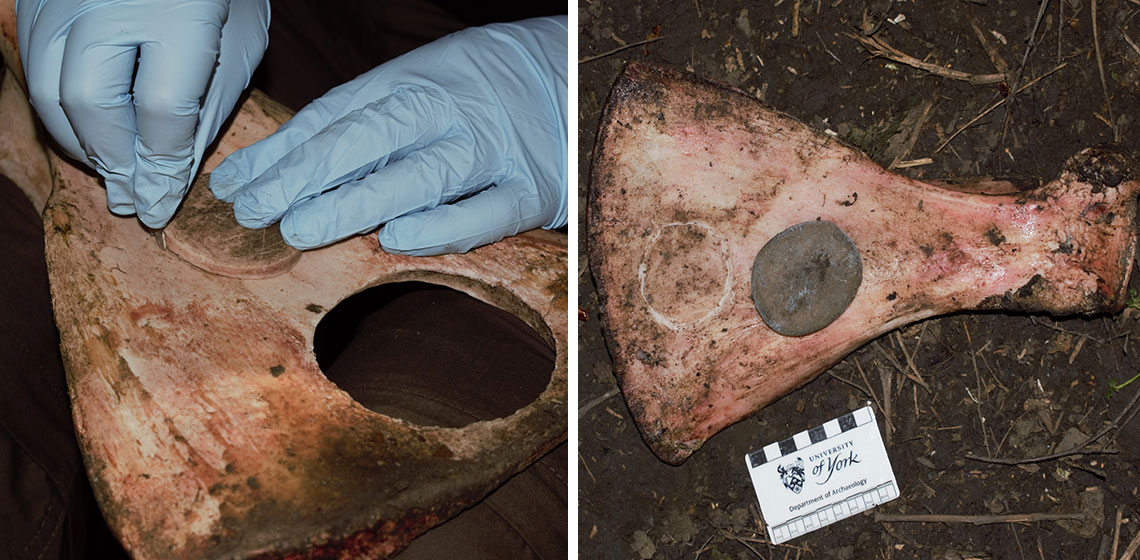
Rondelles are thin, circular disc cut-outs typically made from the blade of the scapula of medium sized ungulates, such as horse or cervid. These are primarily associated with the Late Upper Palaeolithic Magdalenian and focused around northwest Europe. Rondelles are frequently...
A Seventh Century BC Picenian Cloack Clasp Made of Iron, Bone, Bronze and Amber: Reconstruction of a Masterpiece
Publication Date
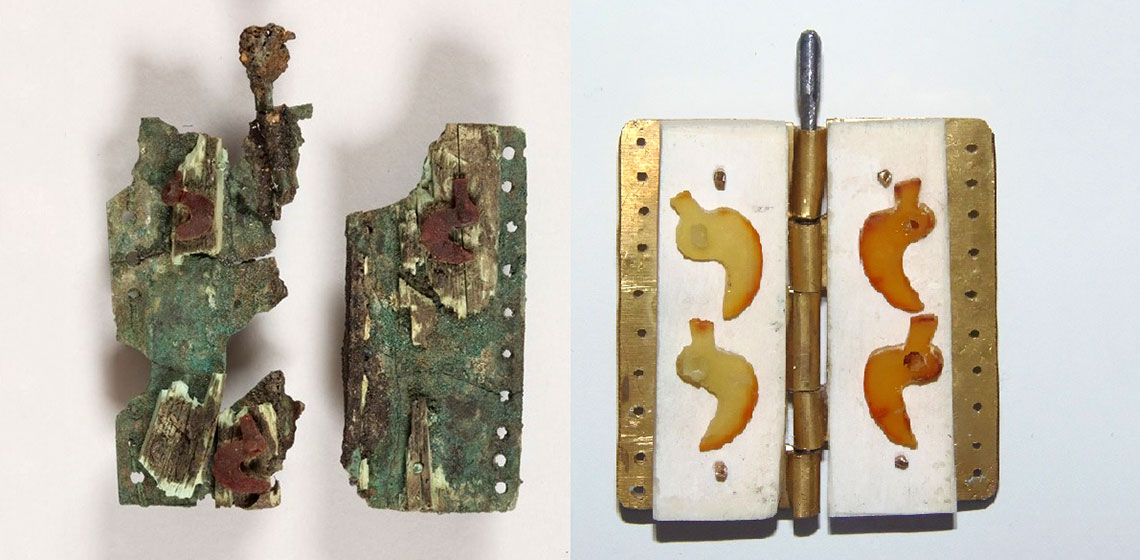
This article is dedicated to the reconstruction I’ve done in 2017 of a Picenian cloack clasp which is a pretty unique find. It has been found in a prince’s grave dating back to the early 7th Century b.C. and is considered a rare find because only a few similar items have been found in Central Italy, and because of the rare use of amber decorations and bronze plates, that makes this find a true masterpiece...
Twenty Years with Flint. The Society for Experimental Prehistoric Archaeology – Where are We Now?
Publication Date
The Society of Experimental Prehistoric Archaeology (SEPA, www.keap.umk.pl) is an organisation affiliated with the Nicolaus Copernicus University’s Institute of Archaeology since 1998. The first academic supervisor of SEPA was Jolanta Małecka-Kukawka, now led by Grzegorz Osipowicz...
Diagenesis in Modern, Danish, Burned Pig Bone
Publication Date
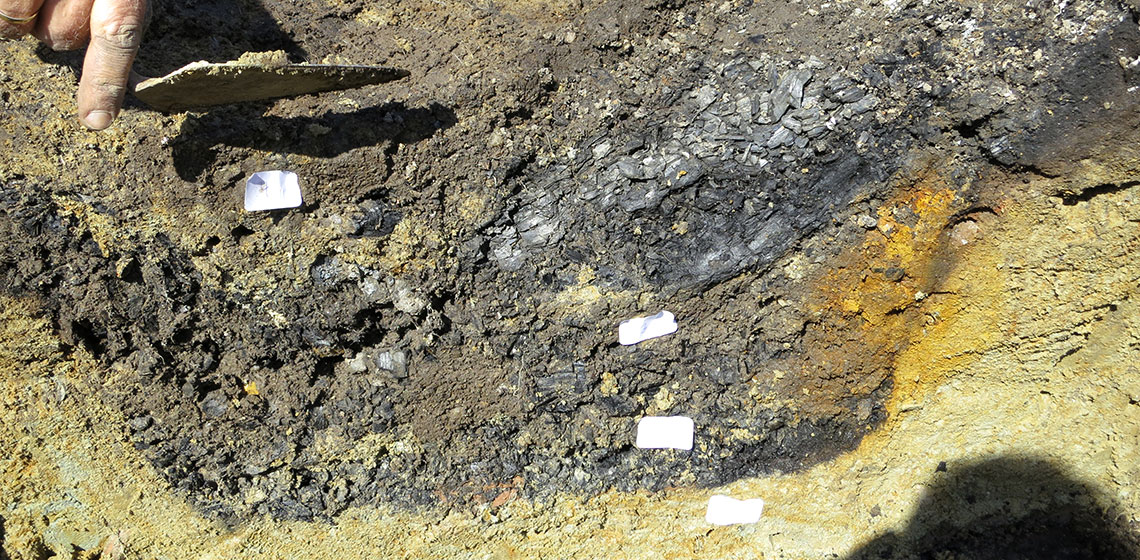
During archaeological excavations, burned bones are often found as a result of cremation, cooking or accidental fire. Even though the bones are burned, their elemental composition might still hold information about diet, habitat and health history in the past.