
colour
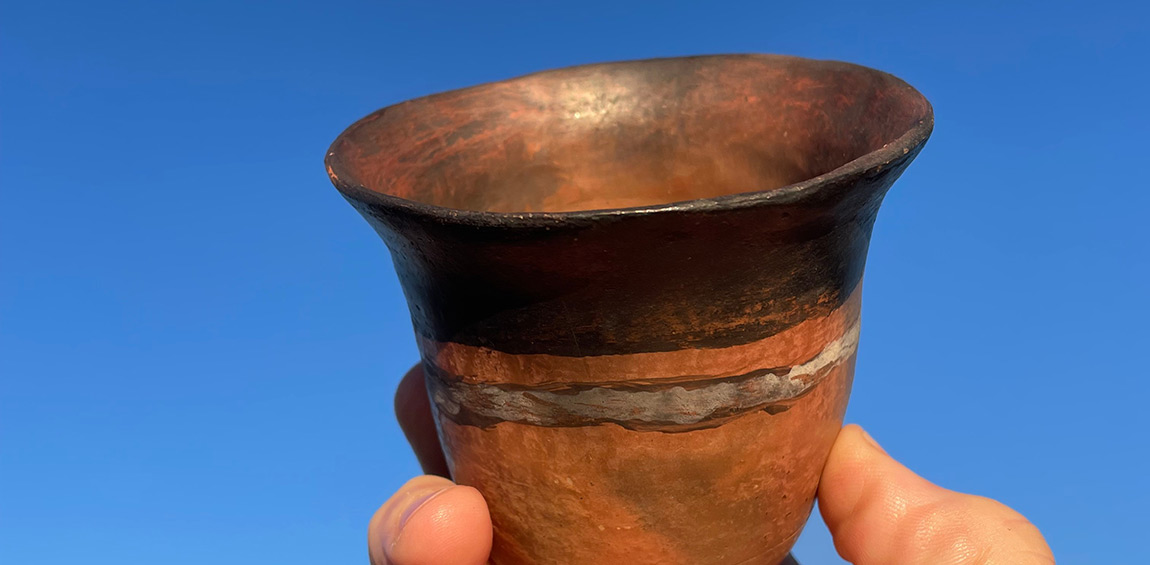
How Culinary Arts May Have Contributed to Ceramic Arts in Blacktop Redware from Kerma
Publication Date
The process of how seemingly deliberate black colour on ancient decorated pottery was achieved in various cultures throughout history has been of great interest to me as a potter for several years. Many modern potters with the same interest have replicated black, or combinations of black and other colours on the surface of vessels with various minerals, clay, and firing techniques (Ward, 2026).
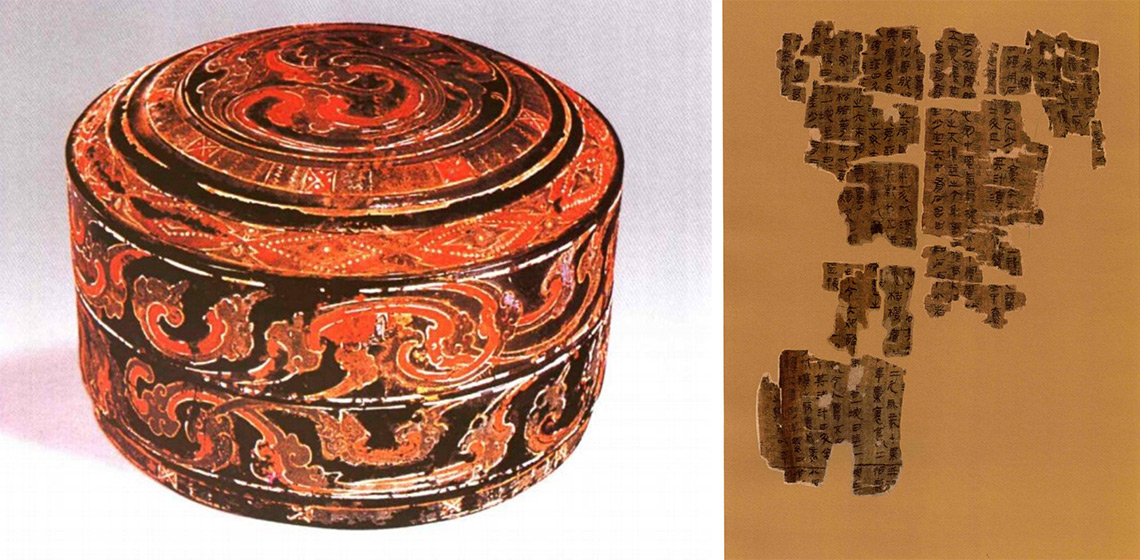
An Experimental Reconstruction of Hair Colours from the Jin and Tang Dynasties (265-907 AD) in China
Publication Date
Hair colours, as a daily cosmetic used in ancient Chinese life, often appear in ancient Chinese medical books, according to types, and can be classified into herbal hair colours and mineral hair colours.
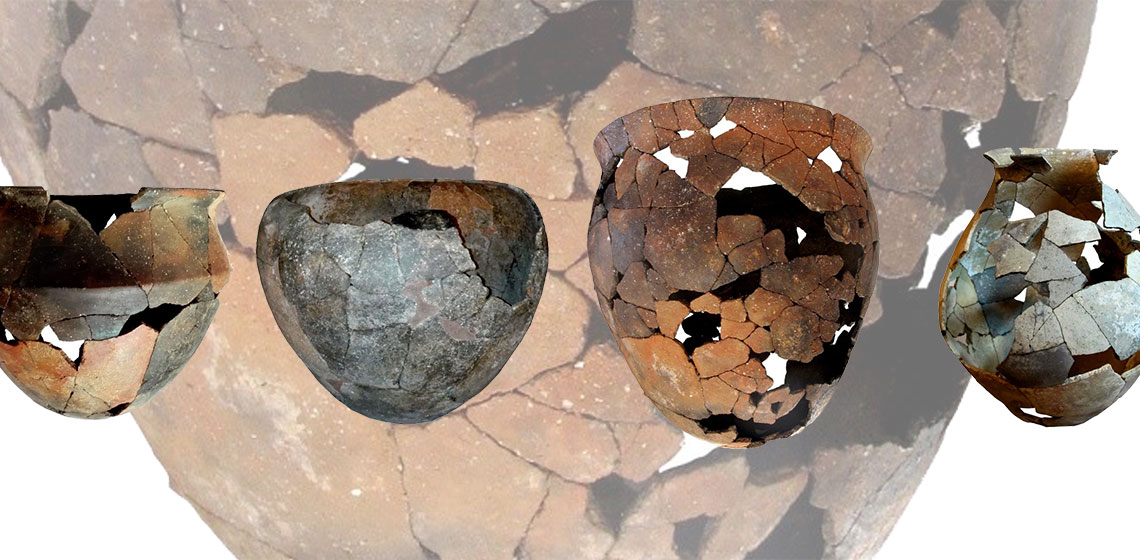
CRAFTER: An Experimental Approach to Fire-Induced Alteration of Pottery Fabrics
Publication Date
In doing an inventory of ceramic materials from archaeological excavations, it is a common practice to indicate their observable atmosphere of firing. This parameter refers to the presence of gases, especially oxygen, during the firing and cooling of pottery: if oxygen circulates freely, the procedure is said to be oxidising; if, on the contrary, the atmosphere of firing lacks free air, it is called reducing...
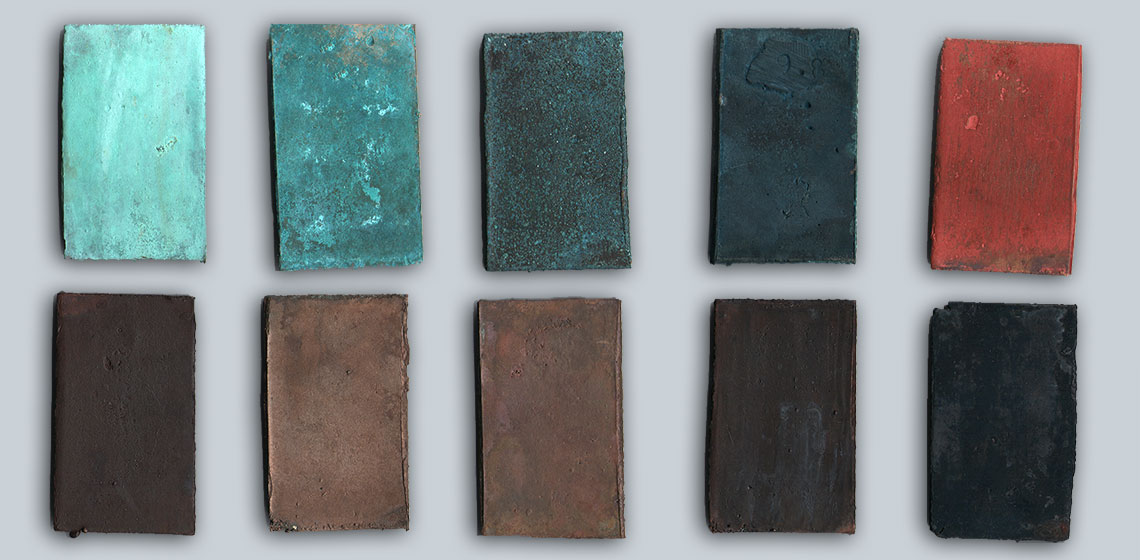
The Colour Palette of Antique Bronzes: An Experimental Archaeology Project
Publication Date
Bronze is an alloy of copper and tin, with lead also added. Hellenistic and Roman bronze objects have a variable percentage of metals, and because of this the colour of the alloy will differ depending on the proportions. The colour of the alloy can be maintained by polishing, but it is also possible to give a patina to the surface of bronze using a reagent...