
tools
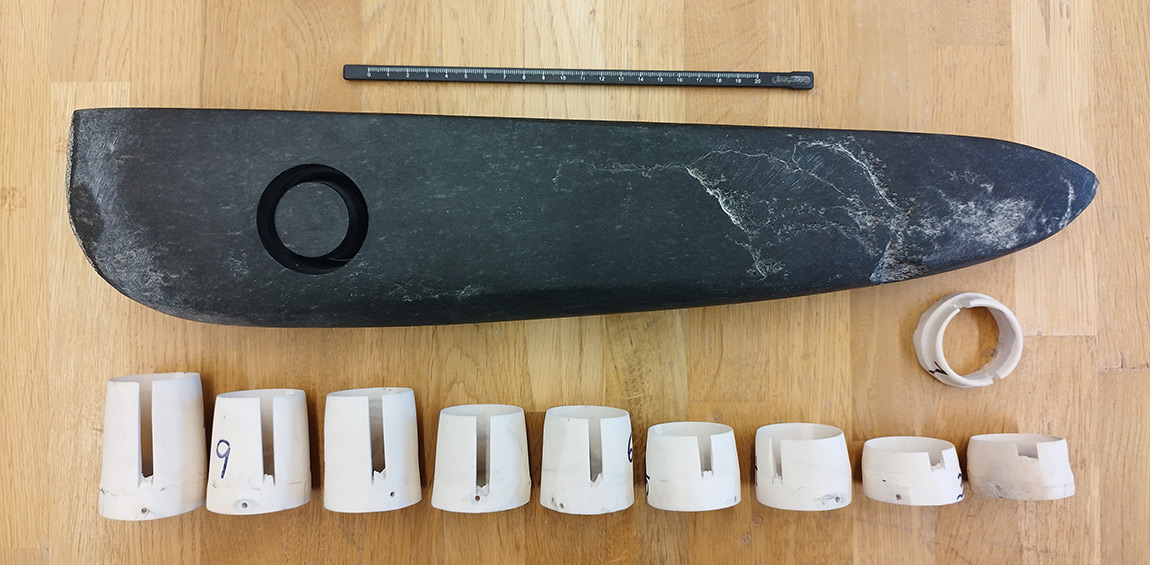
Life of a Stone Axe. Chaîne opératoire of Neolithic Polished Stone Tools Based on an Archaeological Experiment. A View at the Second Life of Polished Tools from Czechia
Publication Date
The aim of the project described in this article was to reproduce the life of polished stone tools from their manufacture, use and use after repair or as a new tool. The data resulted from eight years of detailed documented and time-demanding experiments (just drilling alone presents more than 2500 hours of work). Some of the results created a new view of the polished stone tools’ chaîne opératoire. In the Czech environment it especially concerns so called workshops on Neolithic settlements. Furthermore, the data from the experiments are compared to traces of manufacture and use on the original artifacts from Bohemia and Moravia.
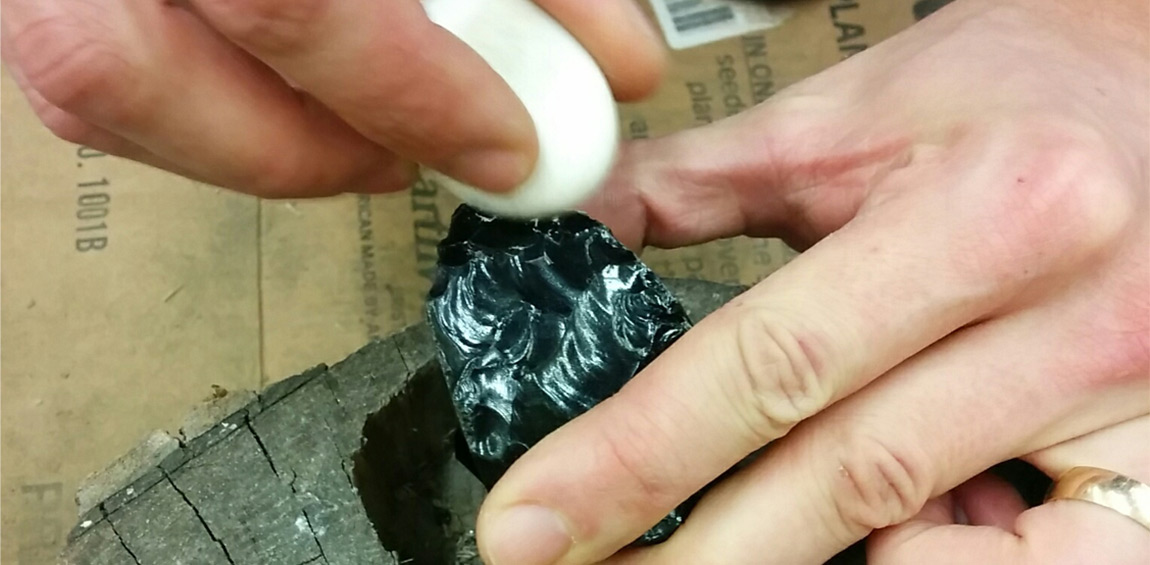
Slicing into the Past. Experimental Use of Obsidian Prismatic Blades and Analysis of Modern Botanical Residues
Publication Date
This experimental study offers new insights into the deposition and taphonomy of microscopic plant residues (phytoliths and starch grains) on obsidian prismatic blades. Twenty blades were flaked from a new obsidian core and used to process eight botanical elements frequently recovered from archaeological contexts in Mesoamerica: maize (Zea mays) leaves and cobs, two varieties of sweet potato (Ipomoea batatas), two species of squash (Cucurbita pepo and C. moschata), manioc (Manihot esculenta), and hardwood. We examined the quantity of visible residues deposited on the blades before microbotanical extractions. We analysed and quantified extracted starch grains and phytoliths and made limited observations of microscopic blade usewear. We also documented how experiment participants handled and used prismatic blades. The results obtained in this limited study support the idea that archaeological visibility of certain plants is tied less to sequence of tool use and more to the general visibility of residues created by certain species. This study provides insights into the relationship between obsidian prismatic blade use, deposition of botanical residues, and recovery of microbotanical remains. Tracking taphonomy is important for interpreting relationships between people, plants, and culinary practice.
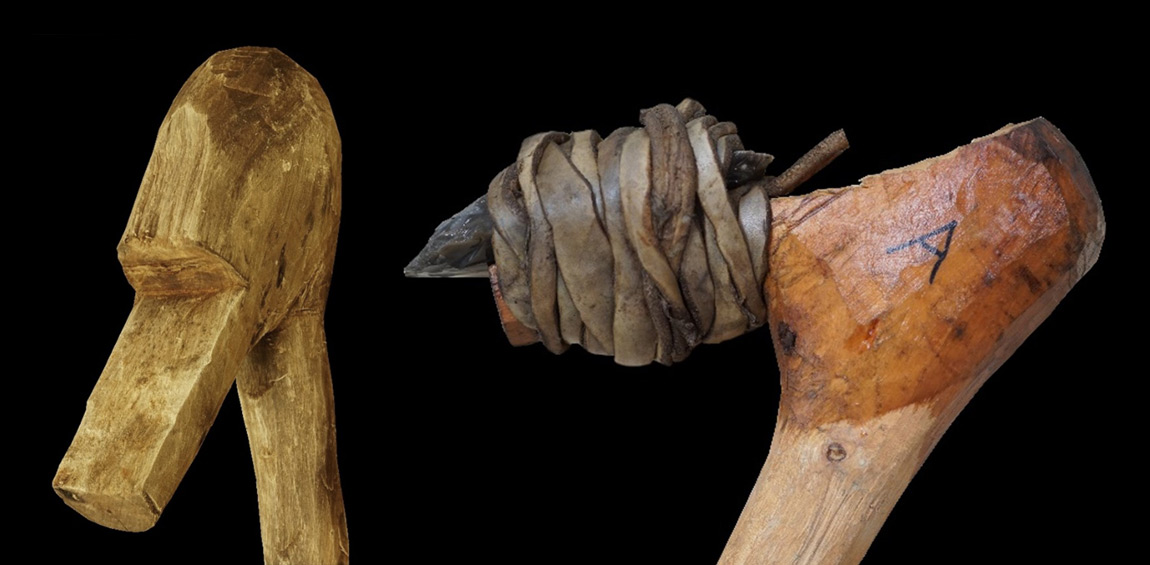
Getting a Handle on Technological Complexity in the Acheulean: Hand-axes Make Excellent High-Energy Hafted Woodworking Tools
Publication Date
Reconstructing human behavioural complexity from stone tools is a primary concern for the Palaeolithic archaeologist. Two nested challenges exist in this reconstruction. Firstly, inferring the technical processes and bodies of knowledge, which combine with tools to make ‘technology’. Secondly, human technology is uniquely combinatorial, with stone tools possibly part of a more complex tool. The organic elements of such a tool, such as handles and bindings are, however, not preserved. The emergence of combinatorial technology is poorly understood, with a focus on stone points as armatures, characteristic of post-Acheulean periods leading to limited consideration of it within the Acheulean. Using experimental archaeology, here we demonstrate that ...
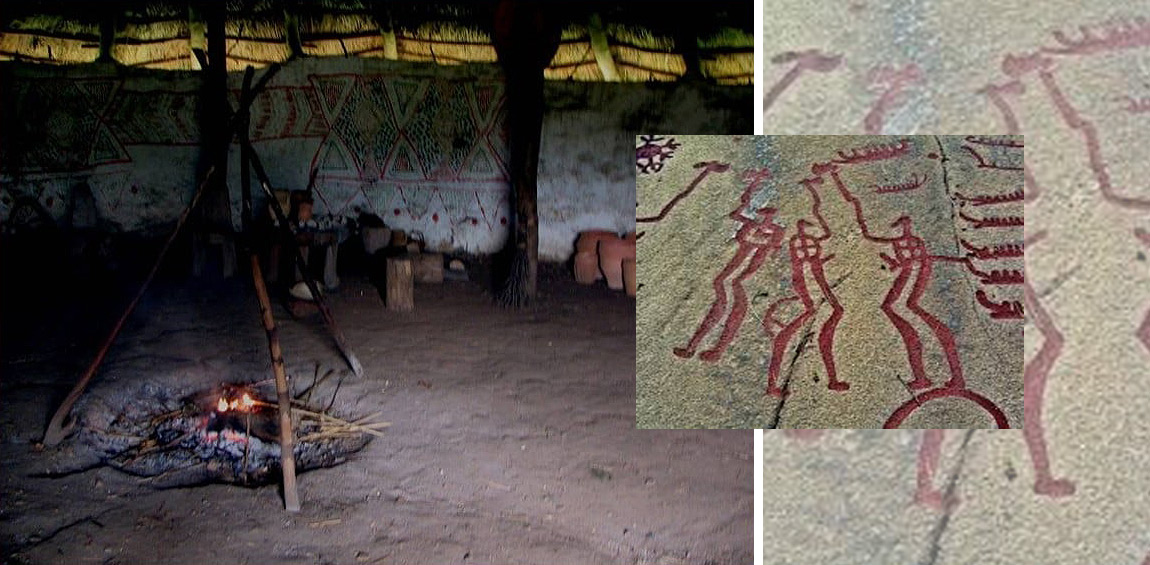
A Missing Link in the Chaîne Opératoire
Publication Date
How elitist attitudes shape archaeological interpretations. A curious misunderstanding arose while writing about Bronze Age metalworking hearths and smiths. I stated that no tools are found at metalworking sites after the work was completed as the tools and materials would have been taken away. The reader took the statement to infer that I was arguing for the idea that metalsmiths were itinerant, as described by Gordon Childe (Childe, 1940, p.176); that they packed up and left for another settlement...
An Experimental Investigation of Alternative Neolithic Harvesting Tools
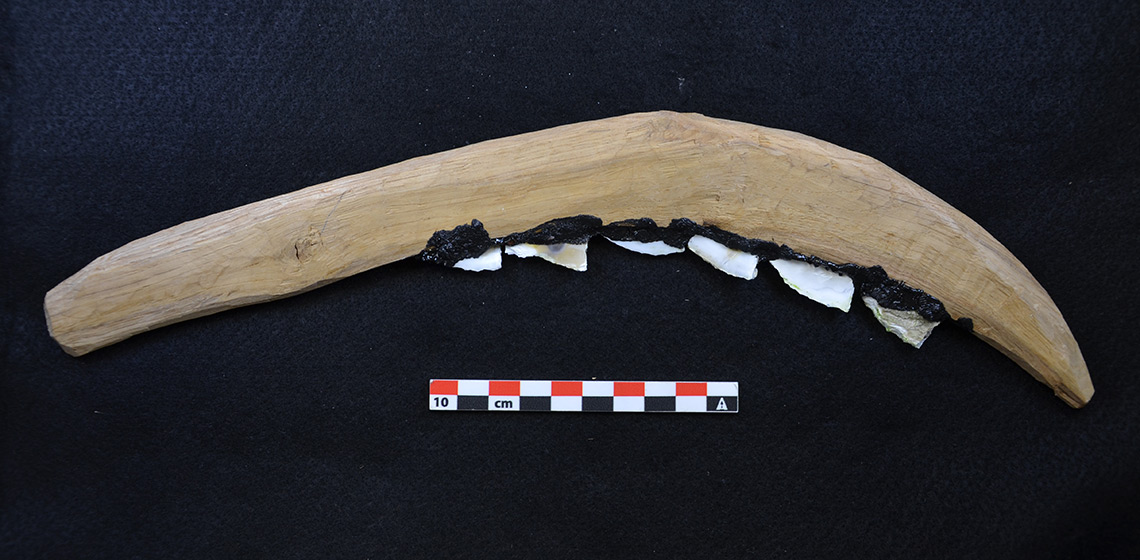
Publication Date
Harvesting tools have seldom been found during excavations at Neolithic sites in North-Western Europe but cereal consumption was widely practiced in that region, as grain discovered in settlements showed. Several researchers have, over the last 50 years, highlighted this discrepancy between missing harvesting tools and the presence of cereal grains...
For the Grater, Good: The Value of Informal Experiments for Understanding Bipolar Flaking and Manioc Grater Teeth
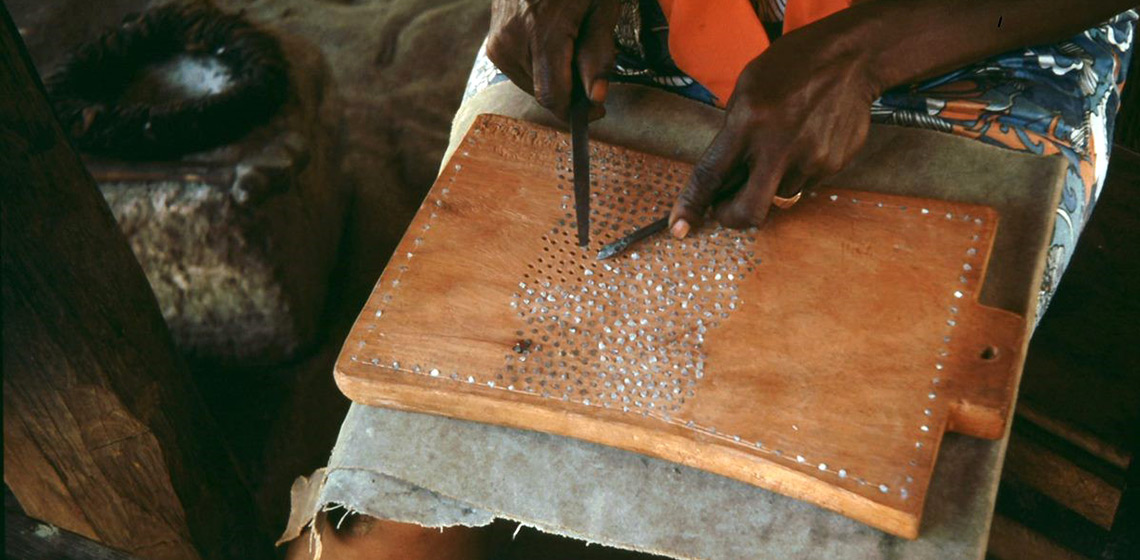
Publication Date
Informal experiential experimentation is often helpful for understanding a technology and raising interpretive questions and testable hypotheses. Here, a simple experiment in manufacturing microlithic flakes by bipolar percussion and using them as teeth in a wooden grater, helped us understand archaeological evidence of such teeth and the ‘manioc complex’ on San Salvador, Bahamas...
The Production of Roman Metal Screw Threads - Extended Version

Publication Date
During the Roman period, small metal screw threads were used both as fastenings and to impart motion. This paper, which is an extended version of my previous article, will show that it is possible to produce metal screw threads using very simple technology. The tools and expertise to carry out this work is...
Cross-Contamination via Stone Tool Use: A Pilot Study of Bifacial Butchery Tools
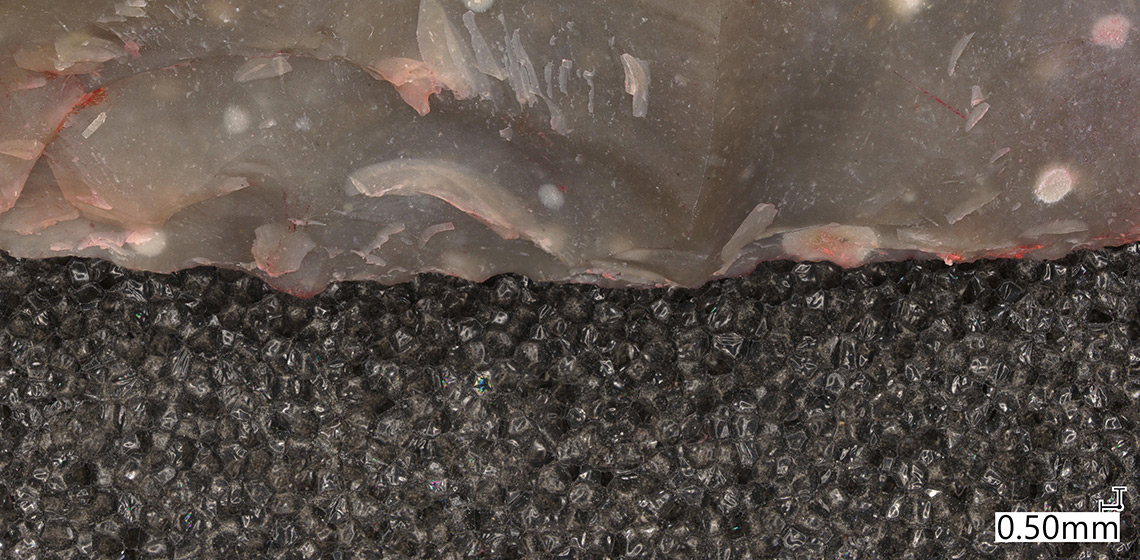
Publication Date
The pathogenic environment has been a constant shaping presence in human evolution. Despite its importance, this factor has been given little consideration and research. Here, we use experimental archaeology and microscopic analysis to present and support a novel hypothesis on the pathogenic properties of bifacial butchery tools...
The Production of Roman Metal Screw Threads
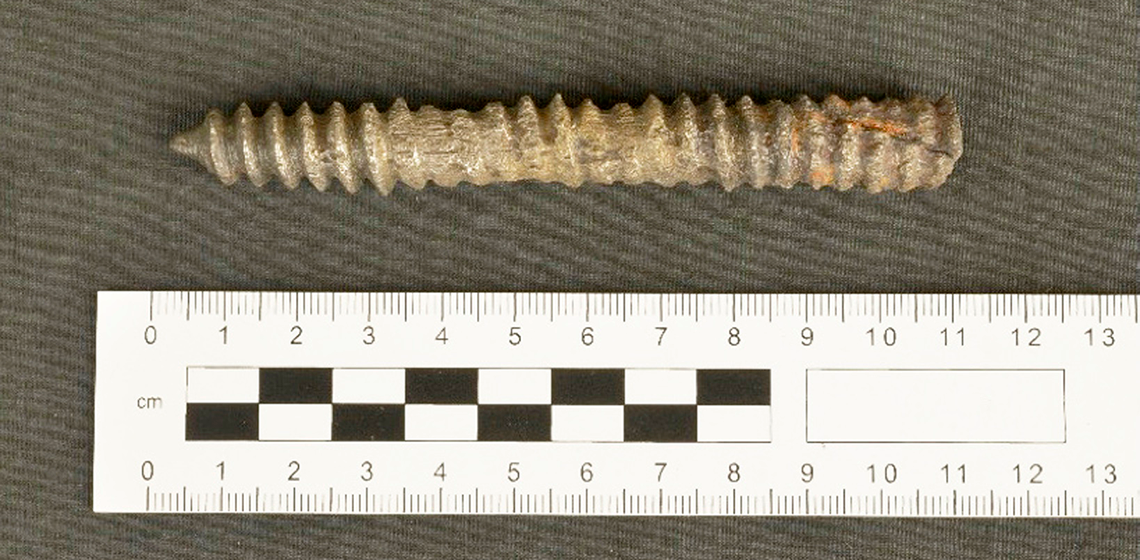
Publication Date
The production of Roman screws and screw threads is a topic that is largely absent in the archaeological literature. During the Roman period, small metal screw threads were used both as fastenings and to impart motion. This paper will show that it is possible to produce small metal screw threads using very simple technology that was well within the skill set of any competent metal worker...
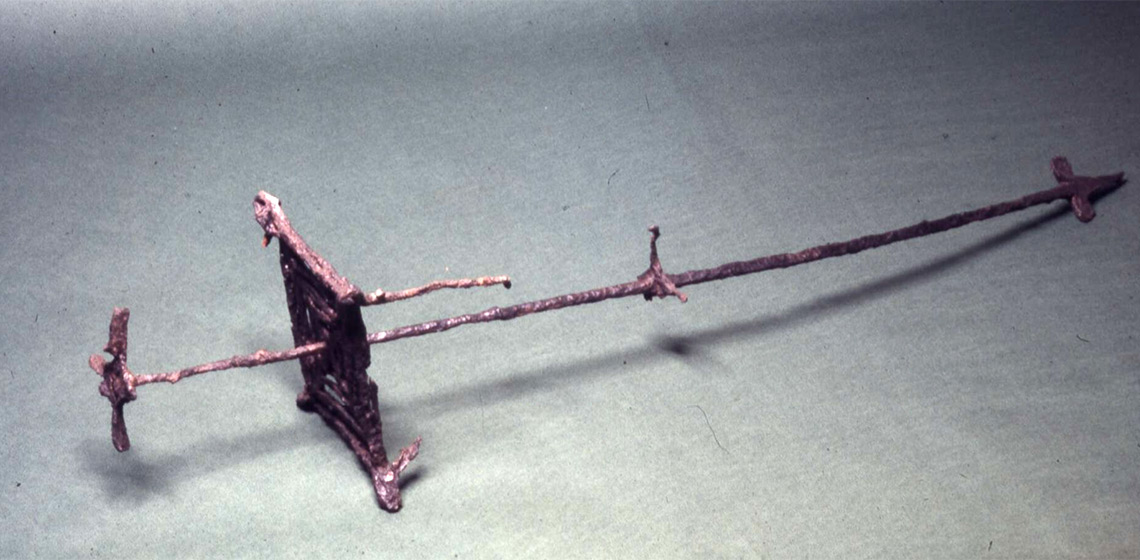
A Proposed New Appearance of the Iron Stand from Sutton Hoo, Based on Existing Material
Publication Date
The Iron Stand from Sutton Hoo, Mound 1 was excavated in 1939. While a first tentative interpretation of its original appearance was made in 1952, this was updated in 1972 following a science-led investigation of the artefact. However, some features of the object were not included in the later representation...