
tools
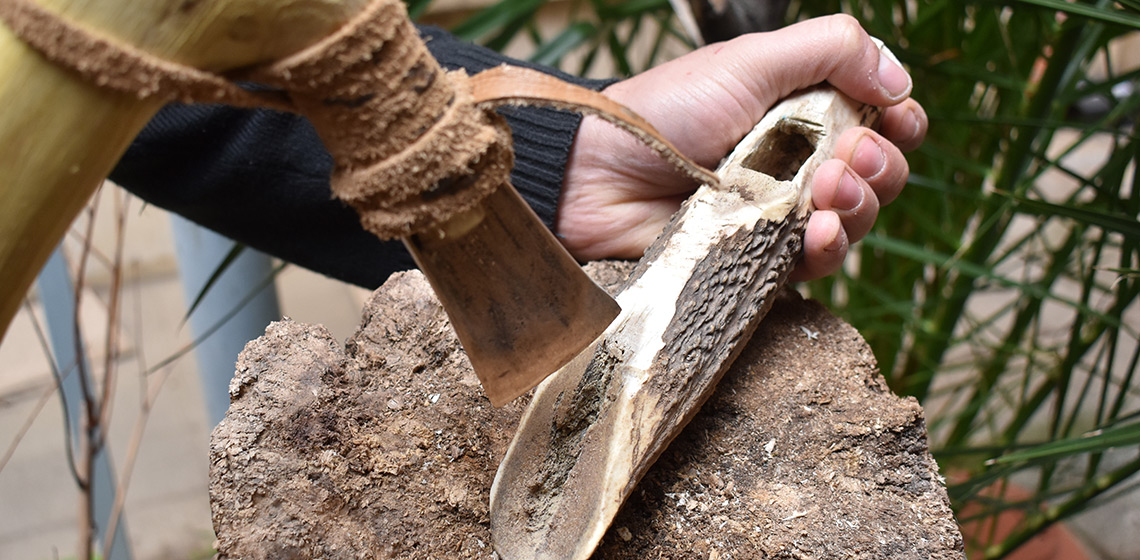
Hoes or Adzes? Experimental Reproduction and Uses of Deer Antler Tools from the Bronze Age Terramara of Pragatto (Italy)
Publication Date
#EAC12 World Tour 2021
***This research aimed to evaluate the hypotheses related to the production and possible uses of a class of deer antler tools from the Bronze Age Terramara of Pragatto (Italy). These bevel-ended instruments are traditionally considered handled hoes, related to agricultural purposes such as tillage...
***This research aimed to evaluate the hypotheses related to the production and possible uses of a class of deer antler tools from the Bronze Age Terramara of Pragatto (Italy). These bevel-ended instruments are traditionally considered handled hoes, related to agricultural purposes such as tillage...
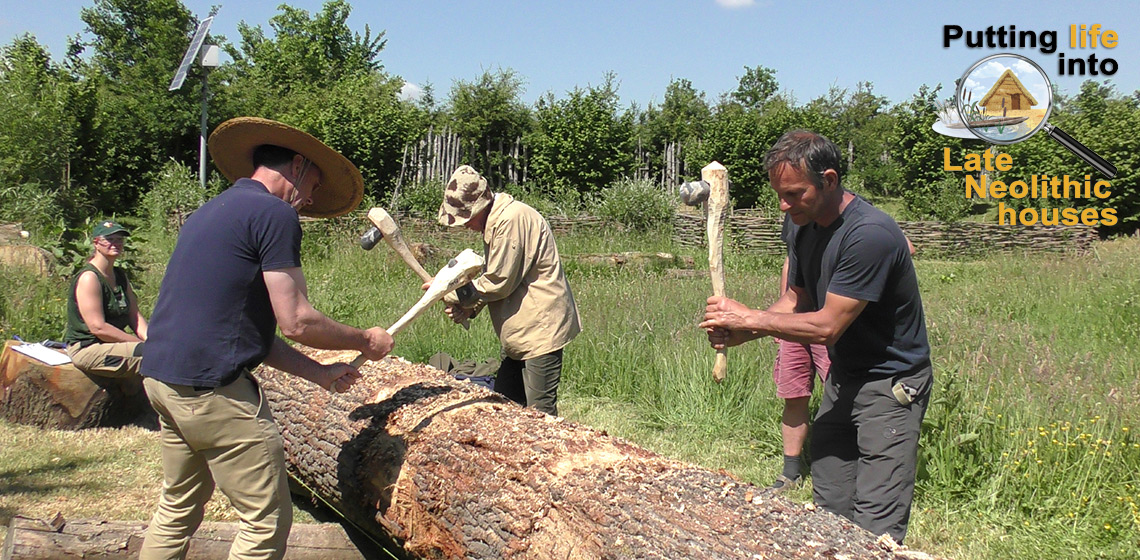
Putting life into Late Neolithic houses
Publication Date
Investigating Domestic Craft and Subsistence Activities through Experiments and Material Analysis
Leiden University currently coordinates the project “Putting Life in Neolithic Houses”. This will take until 2025 and is funded by the Dutch Research Council NWO. Besides EXARC, there are other nine partners in this project.
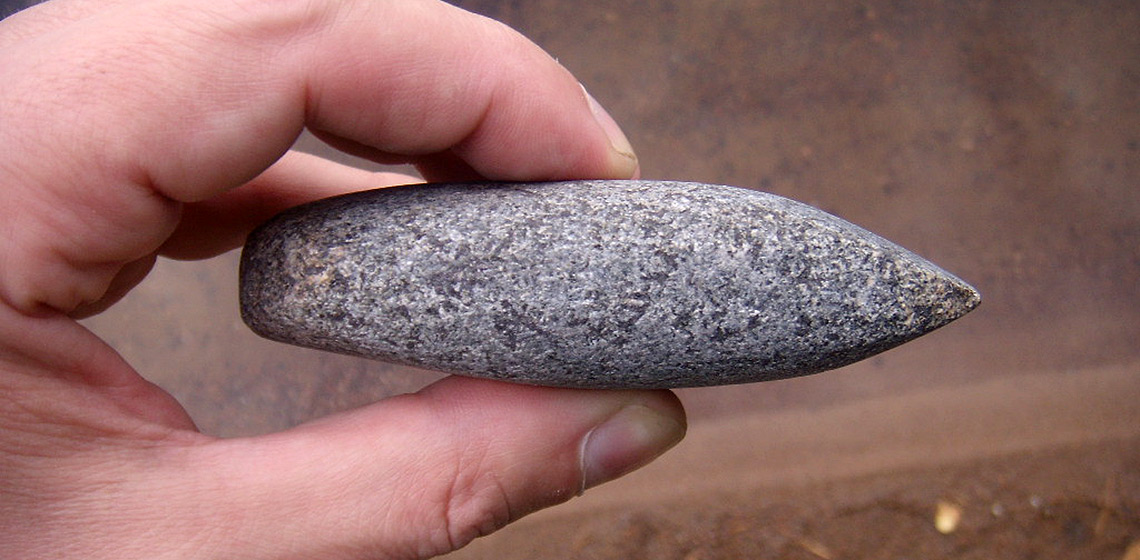
The Process of Making Schist Axes of Paja Ul Deˀŋ – “The People of Big Water”
Publication Date
Paja Ul Deˀŋ [padʒaul’deˀŋ] “The People of Big Water” is a conventional and compact name given to Neolithic inhabitants of the territories of Saint Petersburg and the Leningrad region in their hypothetical reconstructed language (it is possible to state that these people spoke a language that was very close to Yeniseian languages). Paja Ul Deˀŋ made axes/adzes mainly of schist, a process that takes...
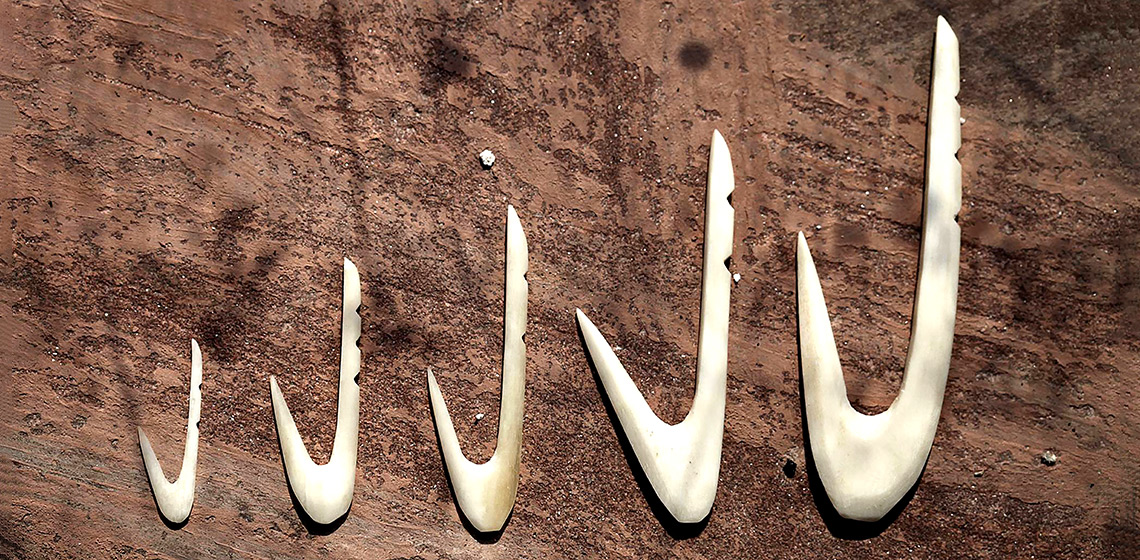
Roe Deer as Raw Material for Middle Mesolithic Fishhooks? An Experimental Approach to the Manufacture of Small Bone Fishhooks
Publication Date
Bone fishhooks have occasionally been retrieved from bone assemblages at coastal sites dating to the Middle Mesolithic phase (8300-6300 cal. BC) in Southern Norway and Western Sweden. Several studies of fishhooks from these sites have been undertaken in recent years. Fishhooks can be manufactured from different osseous materials, including antler, ribs and shafts of different long bones...
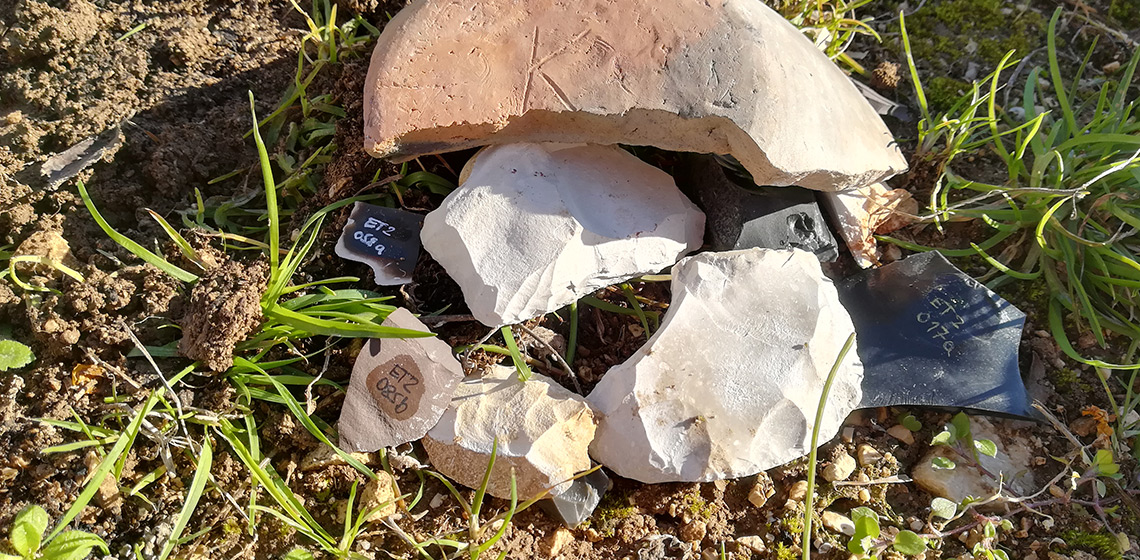
Trampling Experiments – A Contribution to the Pseudo-Retouch Issue
Publication Date
11th EAC Trento 2019
***Apart from human-made retouch, stone tools can also exhibit traces of damage caused by several post depositional processes, one of which is trampling. Edge damage provoked by trampling, be it of animal or human origin, is sometimes interpreted as human-made retouch ...
***Apart from human-made retouch, stone tools can also exhibit traces of damage caused by several post depositional processes, one of which is trampling. Edge damage provoked by trampling, be it of animal or human origin, is sometimes interpreted as human-made retouch ...
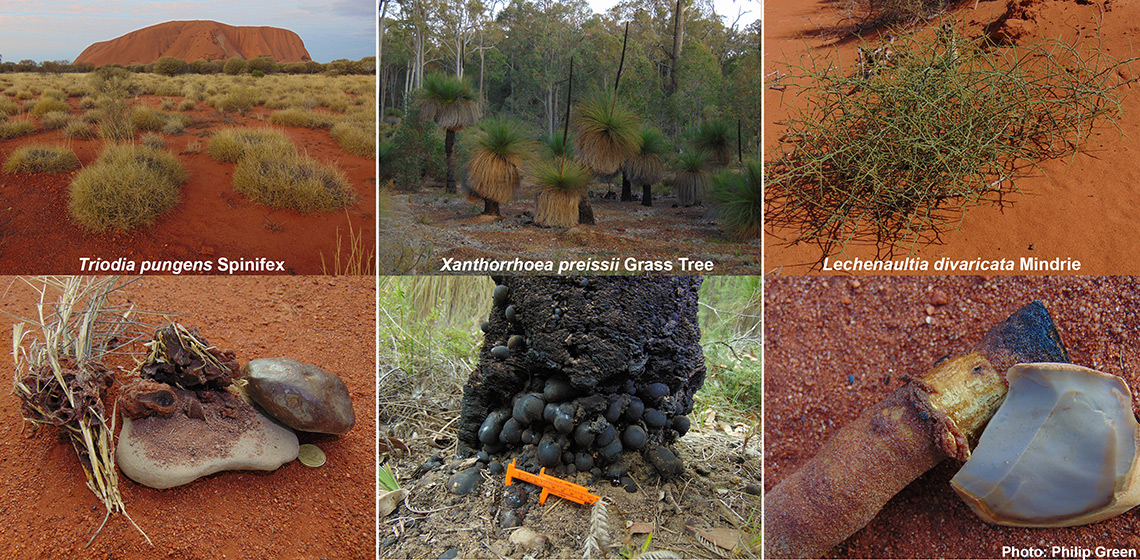
Hafted Tool-use Experiments with Australian Aboriginal Plant Adhesives: Triodia Spinifex, Xanthorrhoea Grass Tree and Lechenaultia divaricata Mindrie
Publication Date
Hafted stone tools commonly figure in Australian archaeology but hafting traces and manufacture processes are infrequently studied. The Aboriginal processing of resin from Xanthorrhoea (Sol. Ex Sm.) grass tree, Triodia (R.Br.) spinifex and Lechenaultia divaricata (F.Muell.)...
Bringing Experimental Lithic Technology to Paleoamerican Brazilian Archaeology: Replication Studies on the Rioclarense and Garivaldinense Industries
Publication Date
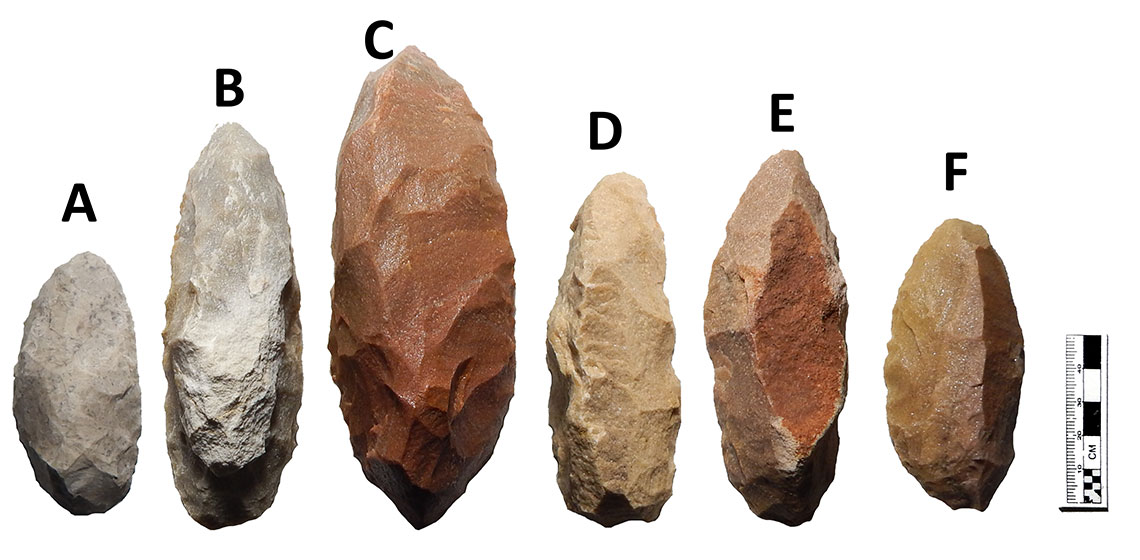
Experimental archaeology, especially experimental lithic technology, has not yet been established as a line of research in Brazil (or most of South America). This article presents the first systematic experimental research aiming the replication of Paleoamerican (or Paleoindian) lithic industries. Experimental replication of the stemmed points from Rioclarense and Garivaldinense industries were carried out in order to better understand their original technology.
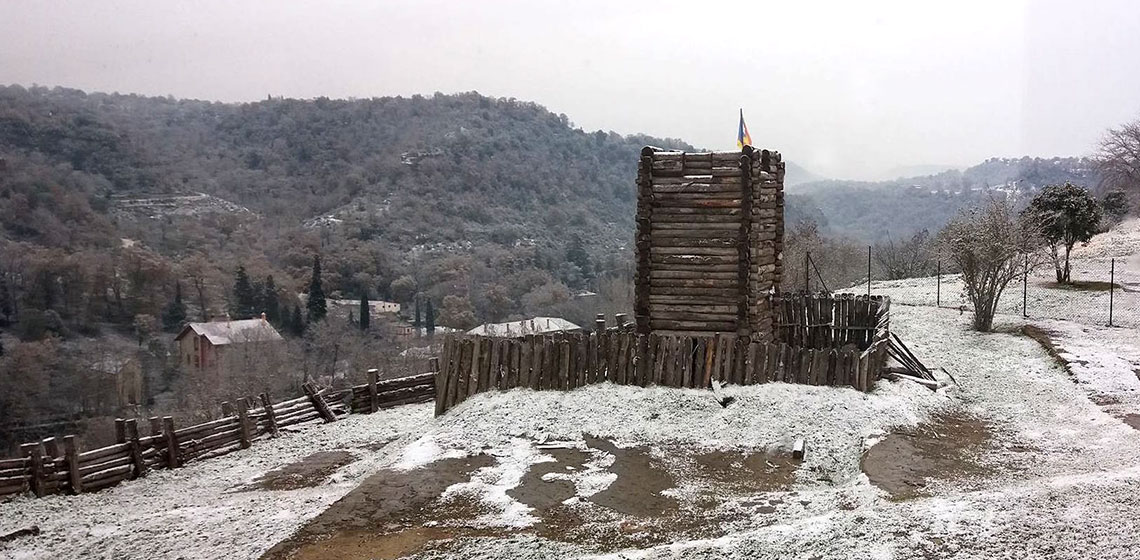
The Experimental Building of a Wooden Watchtower in the Carolingian Southern Frontier
Publication Date
10th EAC Leiden 2017
***During fifteen days of June 2015, the team of l’Esquerda worked in a research project to build a Carolingian wooden watchtower on the River Ter, in Roda de Ter, Catalonia, Spain. The idea was to test our hypotheses experimentally, (a) if the wooden watchtower could...
***During fifteen days of June 2015, the team of l’Esquerda worked in a research project to build a Carolingian wooden watchtower on the River Ter, in Roda de Ter, Catalonia, Spain. The idea was to test our hypotheses experimentally, (a) if the wooden watchtower could...
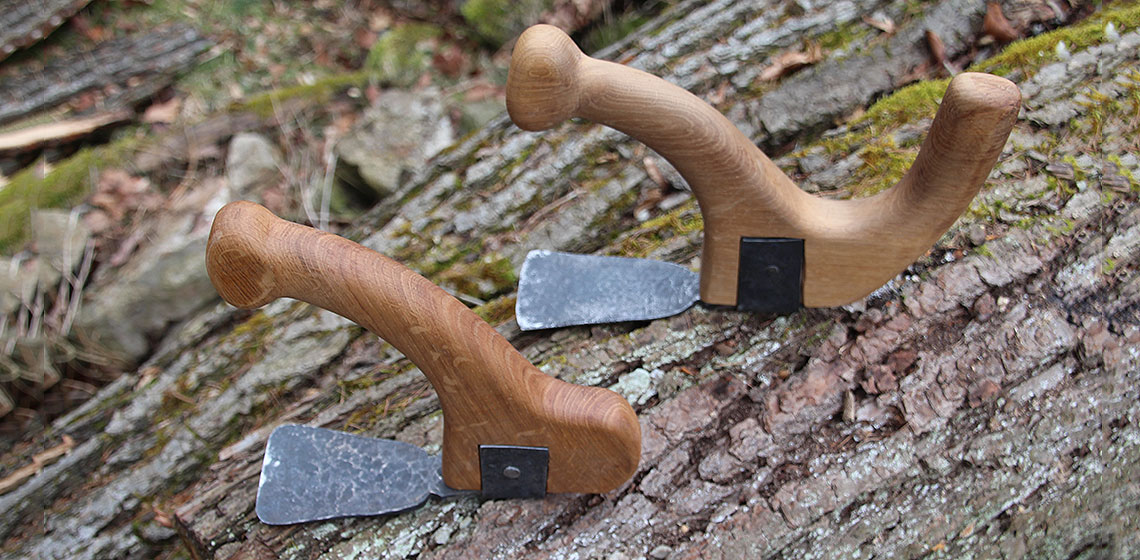
Adze-plane, Skeparnon, Multipurpose Adze or Two-handled Adze? Practical Work with an Alleged Predecessor of the Woodworking Plane
Publication Date
10th EAC Leiden 2017
***This article presents a practical approach to a Graeco-Roman woodworking tool called “ascia-Hobel” in the archaeological literature, respectively “adze-plane” as the corresponding English term. The tool in question consists of an often semi-circular adze-blade attached to a two-handled shaft and seems to be suited both for chopping and...
***This article presents a practical approach to a Graeco-Roman woodworking tool called “ascia-Hobel” in the archaeological literature, respectively “adze-plane” as the corresponding English term. The tool in question consists of an often semi-circular adze-blade attached to a two-handled shaft and seems to be suited both for chopping and...
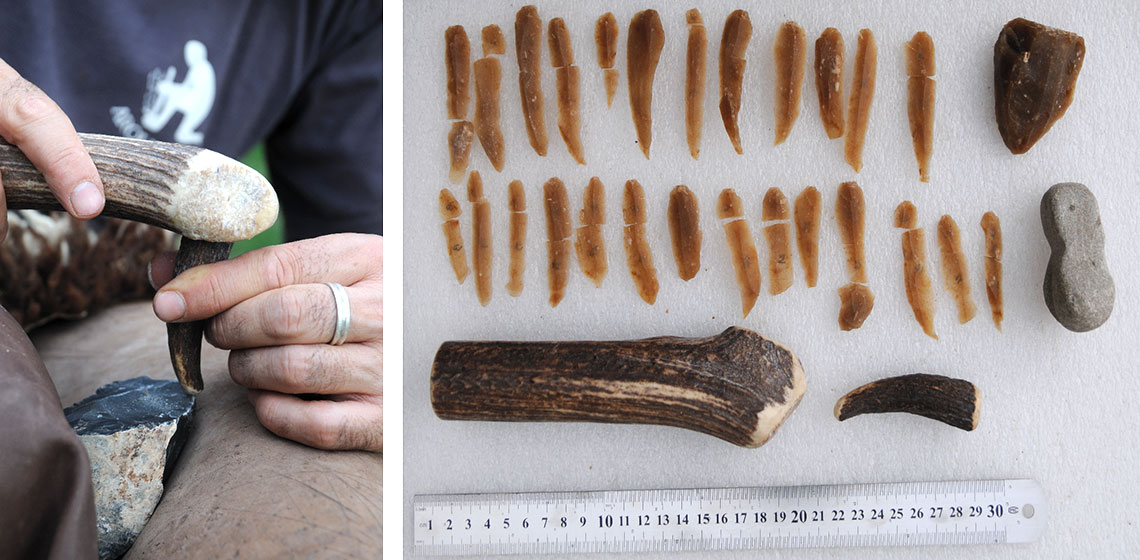
Research, Experimentation and Outreach in the Early Neolithic Site of La Draga (Banyoles-Spain)
Publication Date
The exceptional preservation of organic material in the early Neolithic site of La Draga (Banyoles, north-east Iberian Peninsula) has allowed lines of research that had rarely been undertaken in the region. The research project carried out at the site of La Draga involves experimental archaeology as a...