
woodworking
Adze-plane, Skeparnon, Multipurpose Adze or Two-handled Adze? Practical Work with an Alleged Predecessor of the Woodworking Plane
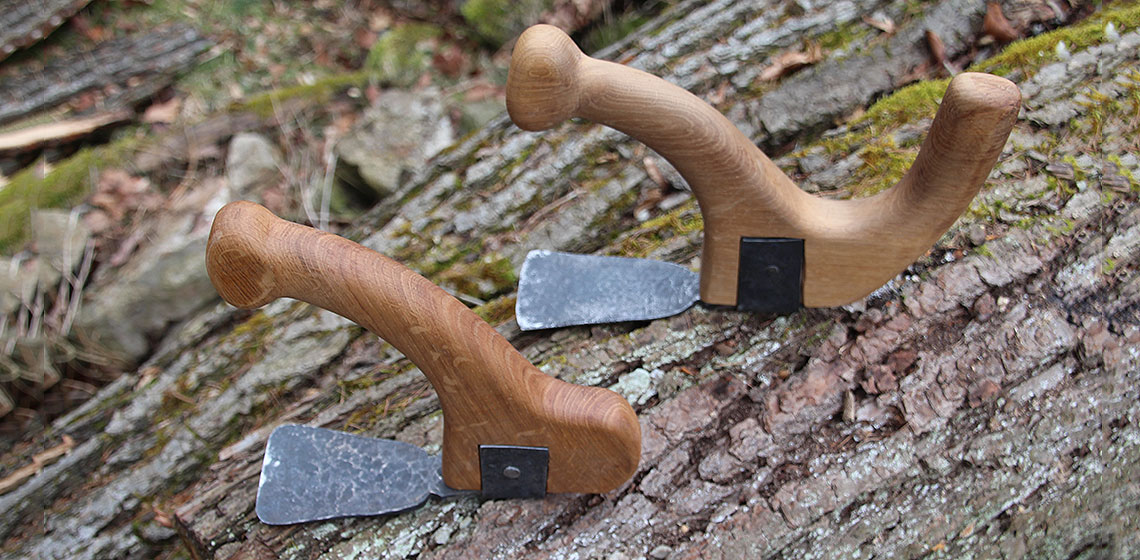
***This article presents a practical approach to a Graeco-Roman woodworking tool called “ascia-Hobel” in the archaeological literature, respectively “adze-plane” as the corresponding English term. The tool in question consists of an often semi-circular adze-blade attached to a two-handled shaft and seems to be suited both for chopping and...
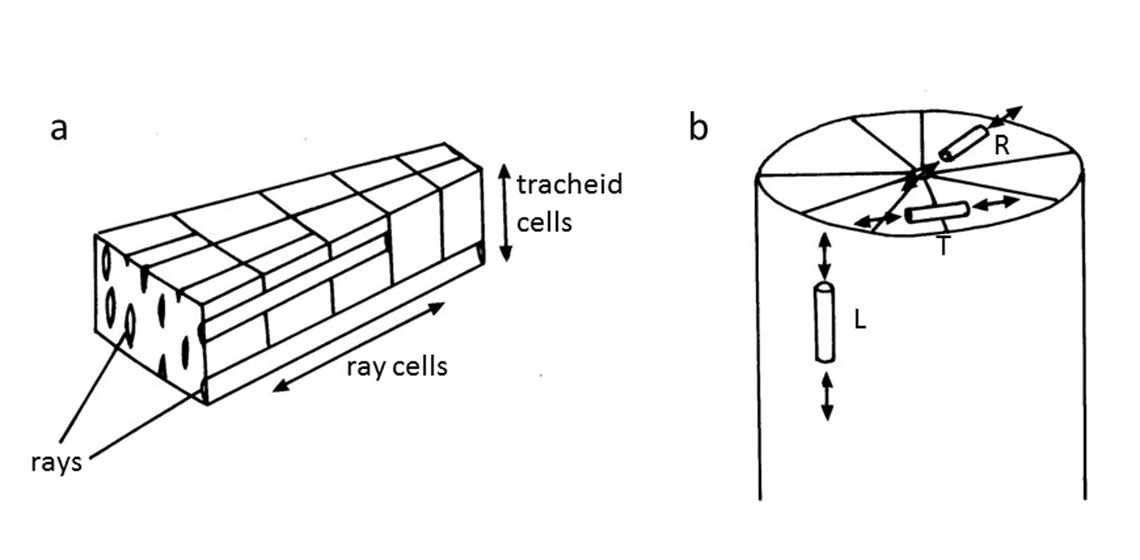
The Mechanics of Splitting Wood and the Design of Neolithic Woodworking Tools
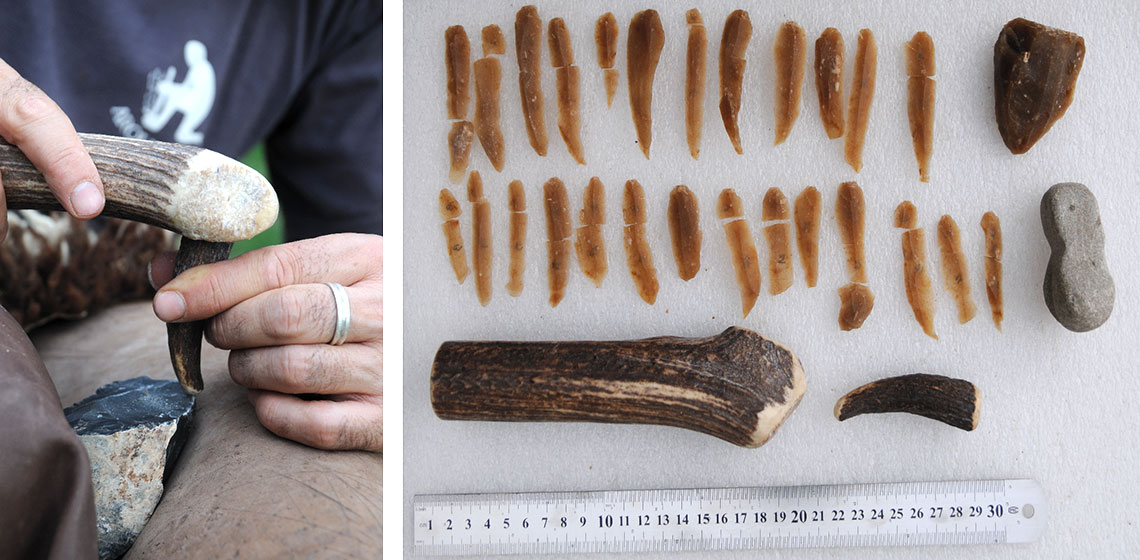
Research, Experimentation and Outreach in the Early Neolithic Site of La Draga (Banyoles-Spain)
The Prometheus Project
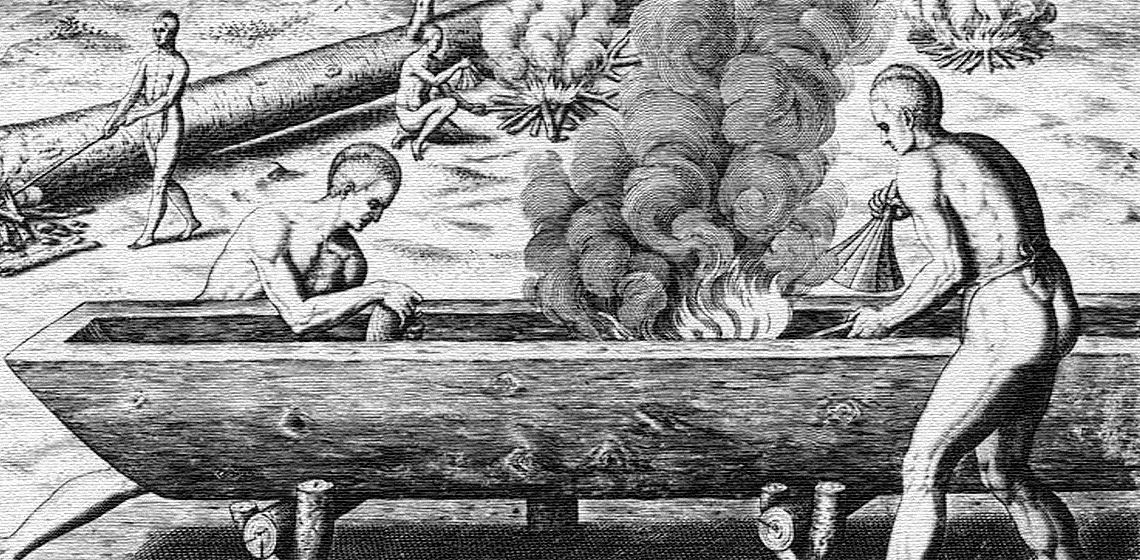
***The Prometheus Project was an experimental archaeological investigation carried out at Butser Ancient Farm, Hampshire, England, into prehistoric logboat building techniques. The project focused on exploring the use of fire in building logboats...
Roseldorf Rekonstruiert

This review concerns the article "Roseldorf rekonstruiert – Ein keltischen Heiligtums entsteht in Asparn an der Zaya" published in EuroREA 6/2009.
Left - a photo of the idol of Cernunnos placed inside the temple... But does he recognise his surroundings?
Ancient Wood, Woodworking and Wooden Houses
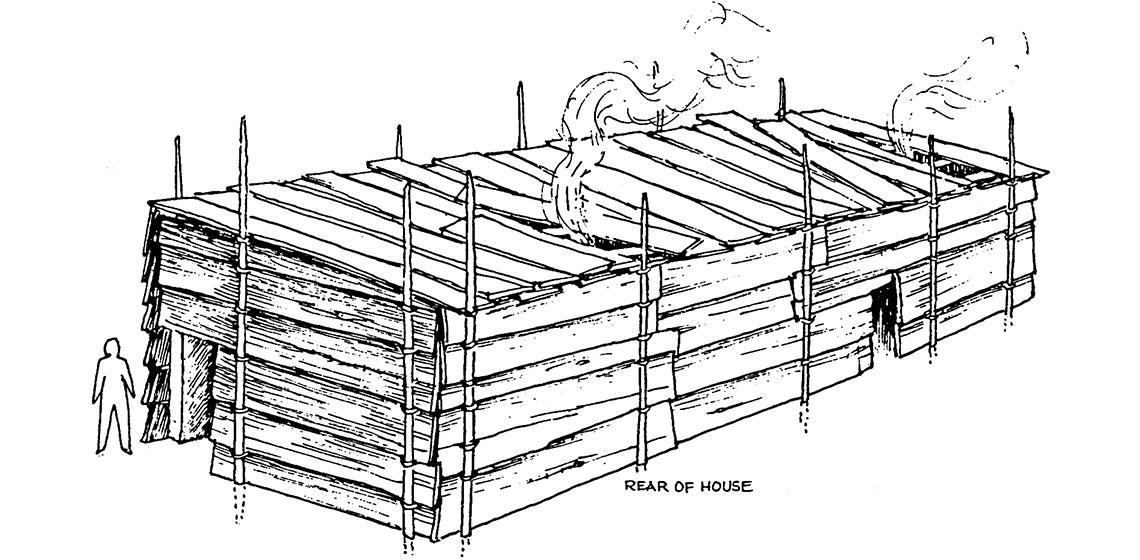
1987 ESF Proceedings
The 1980s was the beginning of a boom in the construction of archaeologically inspired buildings inside and outside archaeological open-air museums.
***This article introduces a record on the management and use of prehistoric woodland gained from the research of the Somerset Levels...
The Scientific Basis for the Reconstruction of Prehistoric and Protohistoric Houses
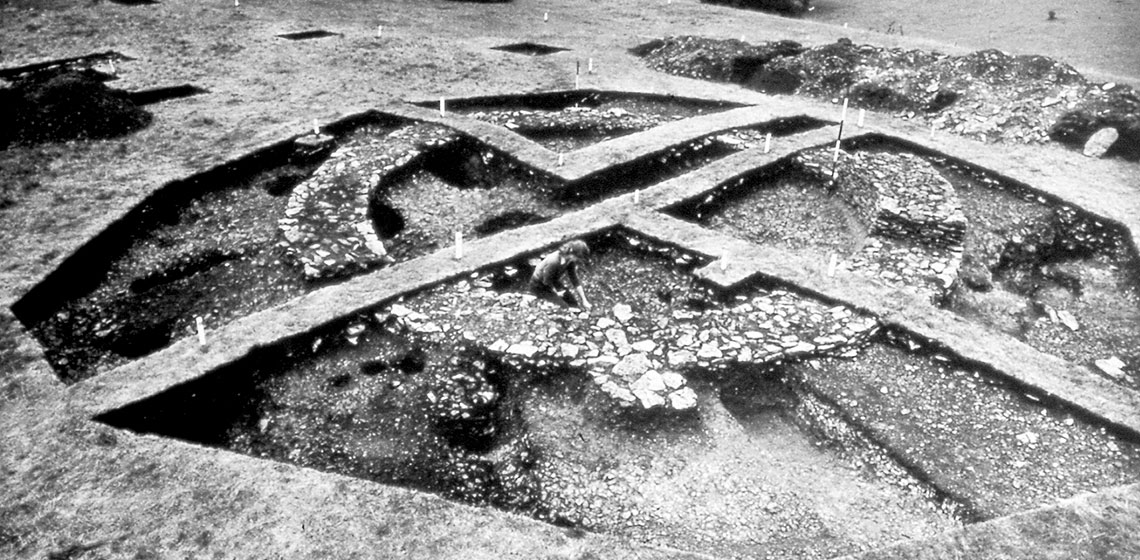
1987 ESF Proceedings
The 1980s was the beginning of a boom in the construction of archaeologically inspired buildings inside and outside archaeological open-air museums.
***The purpose of this paper was to explore the scientific basis of building reconstructions. The critical issue was to address the problems of reconstruction in order to specify limits within which the reconstruction is of research/educational value and to a set standards which may act as guidelines.