(re)construction
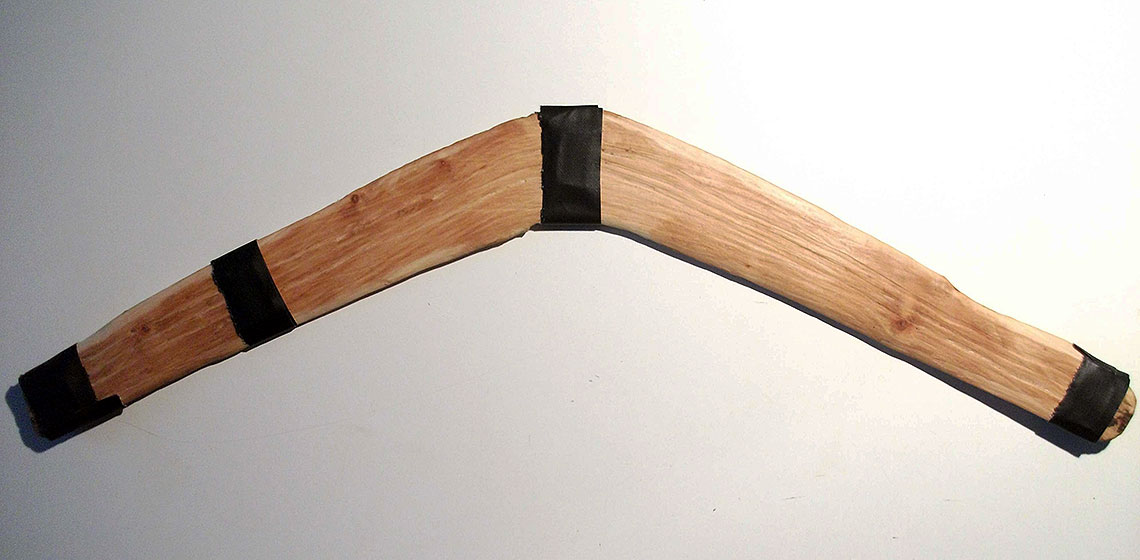
A Gaulish Throwing Stick Discovery in Normandy: Study and Throwing Experimentations
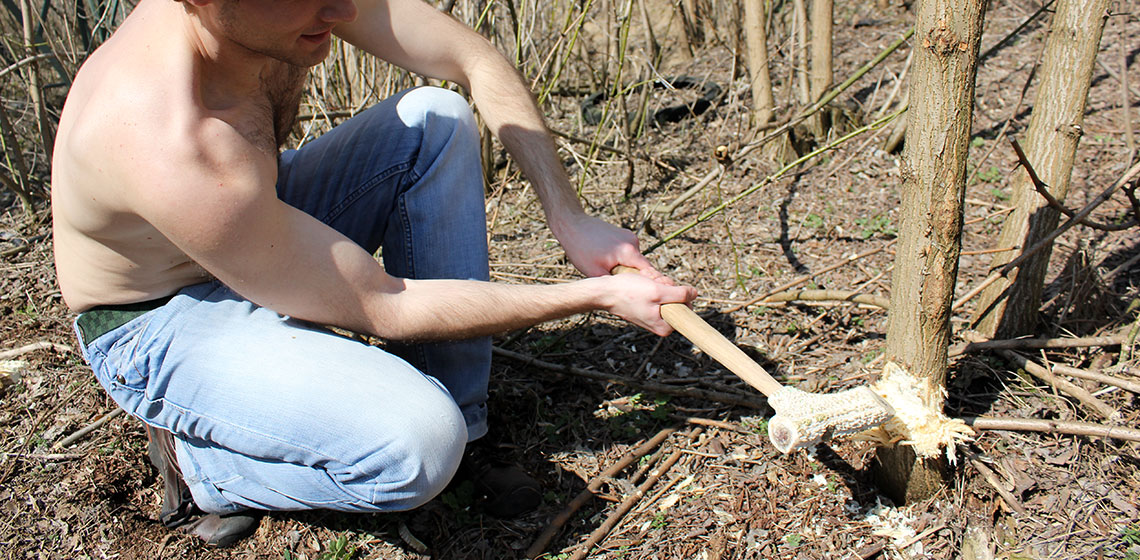
Two Reconstructions of Prehistoric Houses from Torun (Poland)
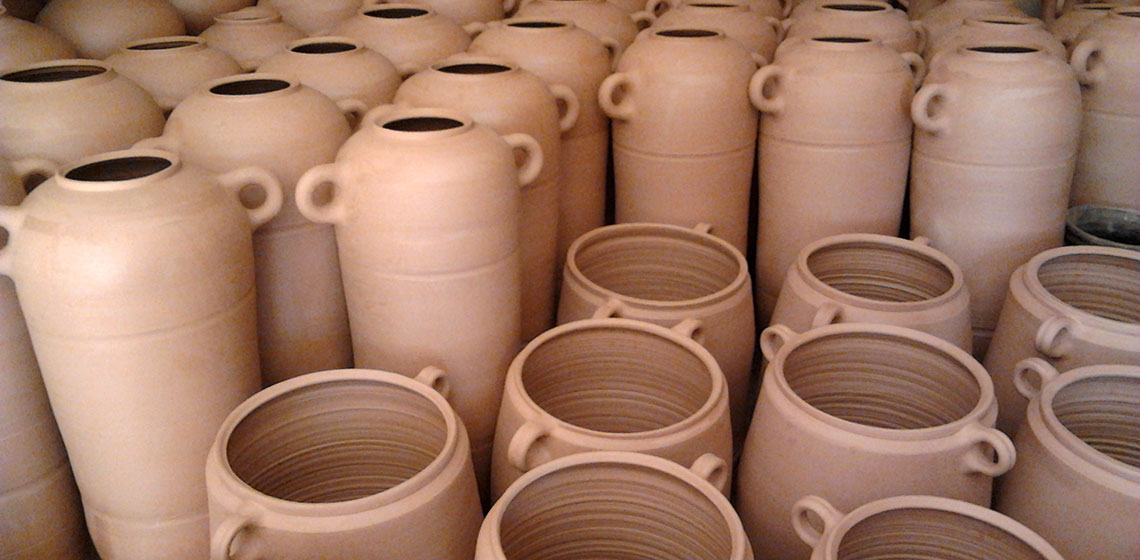
The Iron Age Iberian Experimental Pottery Kiln of Verdú, Catalonia, Spain
Obituary: in Memory of Otto Harsema (11 September 1939 - 8 September 2013)

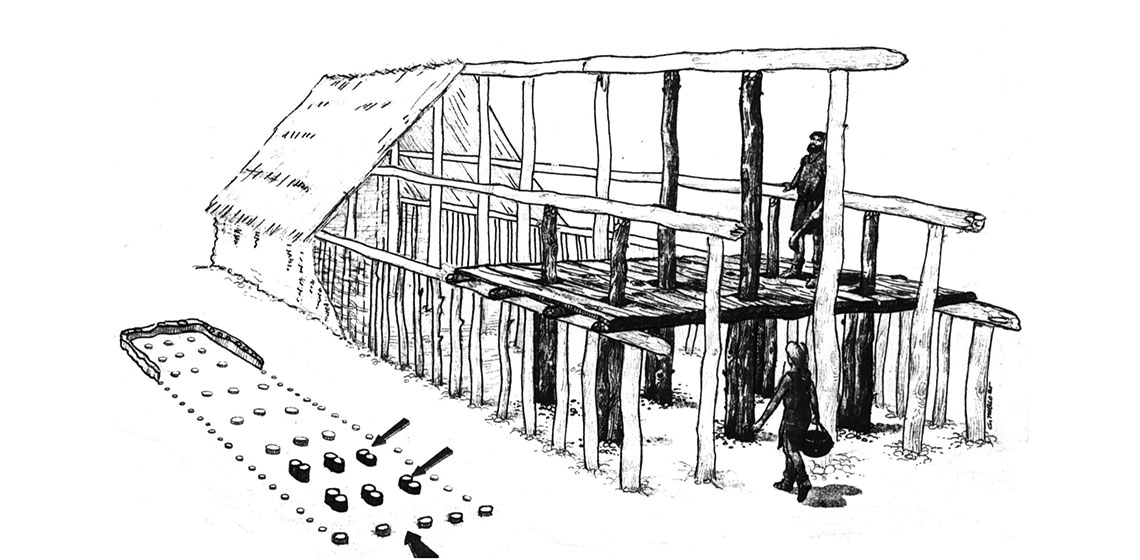
The Reconstruction of the Danubian Neolithic House and the Scientific Importance of Architectural Studies
1987 ESF Proceedings
The 1980s was the beginning of a boom in the construction of archaeologically inspired buildings inside and outside archaeological open-air museums.
***The purpose of this paper was to explore the scientific basis of building reconstructions. The critical issue was to address the problems of reconstruction in order to specify limits within which the reconstruction is of research/educational value and to a set standards which may act as guidelines.
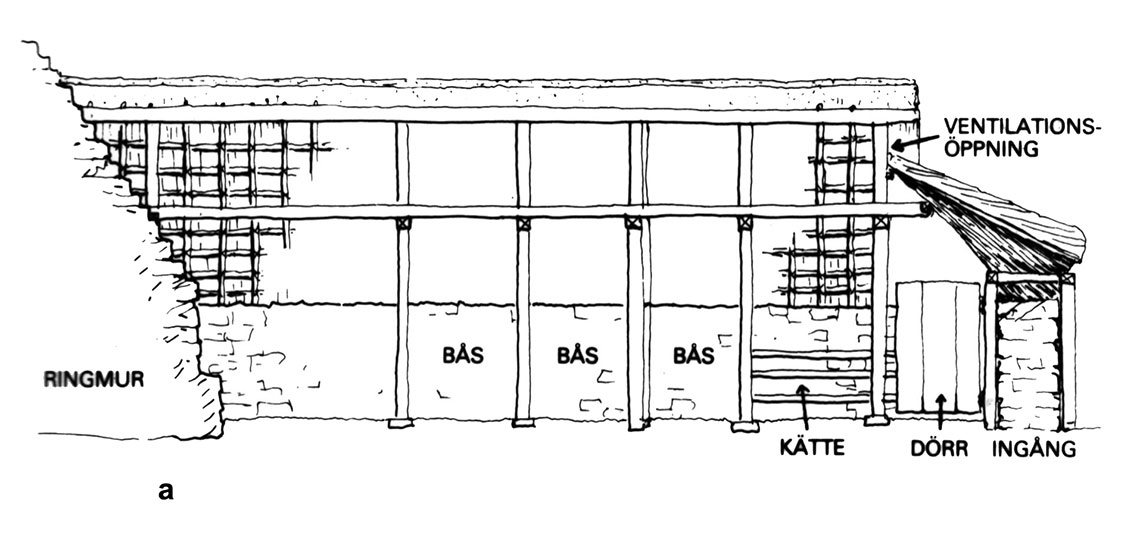
Aspects on Realizing House Reconstructions: a Scandinavian Perspective
1987 ESF Proceedings
The 1980s was the beginning of a boom in the construction of archaeologically inspired buildings inside and outside archaeological open-air museums.
***Experiments are an integrated part of archaeological research, a tool used to analyse and understand archaeological phenomena. It is a method as legitimate and as problematic as so many others. The reconstruction of wooden buildings is a main branch of experimental archaeology.
Gene Fornby - the Ancient Village of Gene
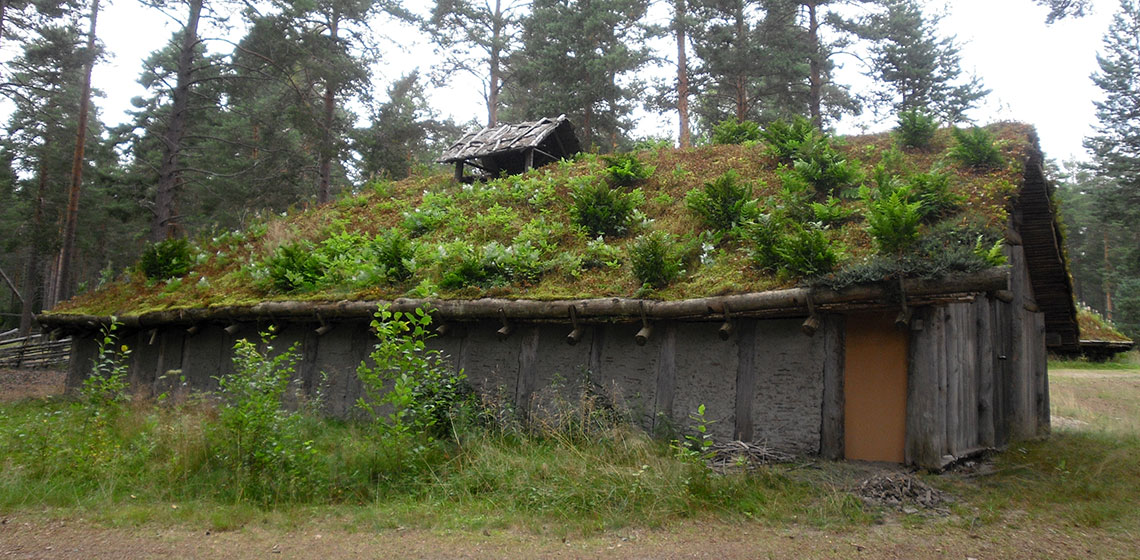
I have for years, through articles, debate and political activities, been a very active part in the efforts to preserve Gene Fornby from demolition. The cause seemed long doomed to be lost, but in the end the saving-line won. Therefore the longhouse and the smithy, in my opinion the important reconstructions, will be preserved and restored.
Book Review: La Arqueología Reconstructiva y el Factor Didáctico by Santacana and Masriera
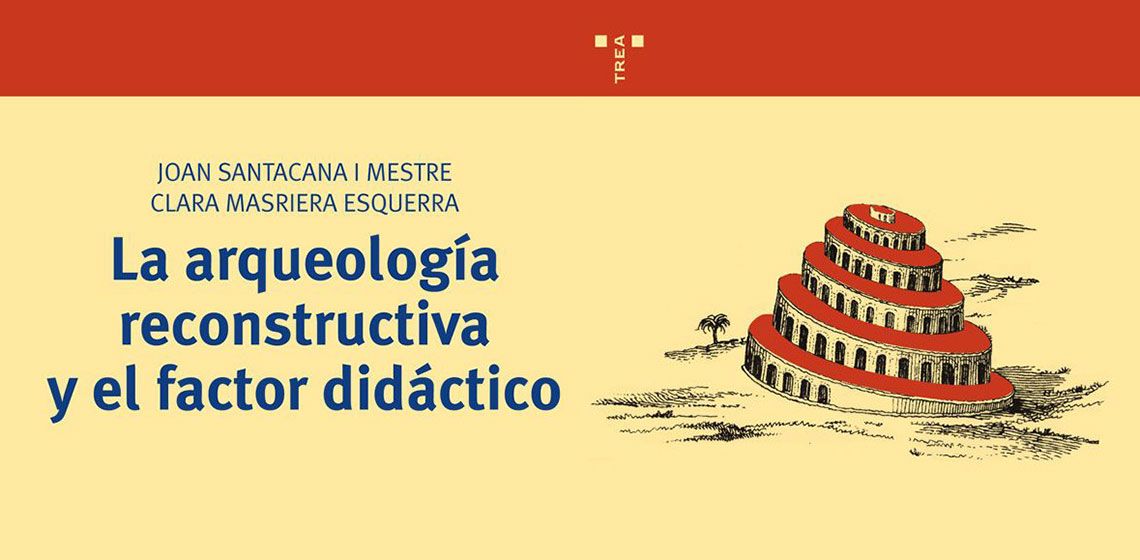
Both in Europe and in the US there is a multitude of archaeological sites which are shown to the general public either partially or completely rebuilt. This pattern, which is standard practice in many countries, is sternly contested and rejected in others, giving rise to a 200 year old international debate...
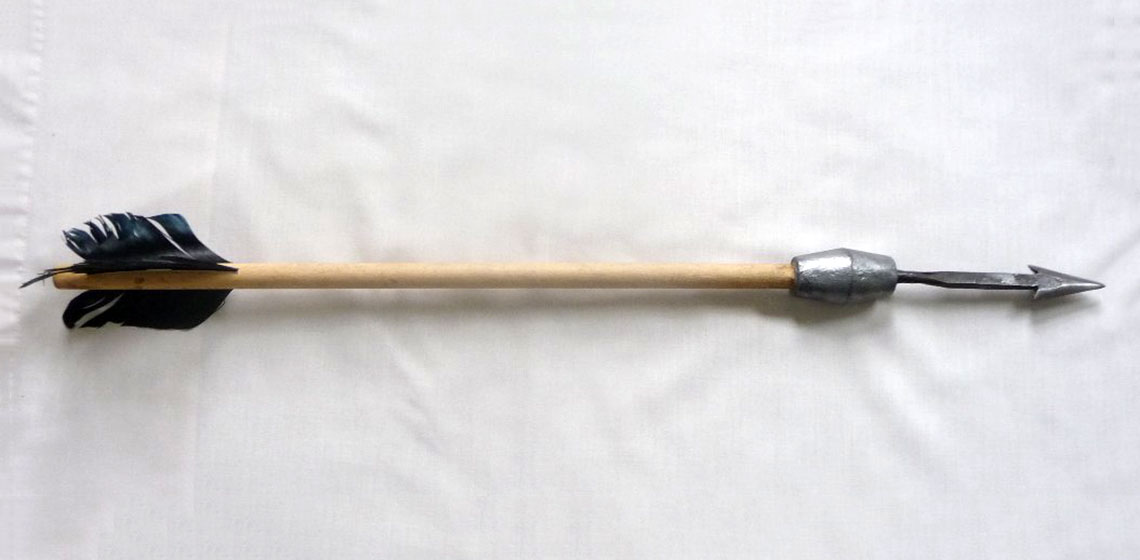
The Use of Metal Moulds to Cast Lead Weights onto the Wooden Shaft of a Plumbata
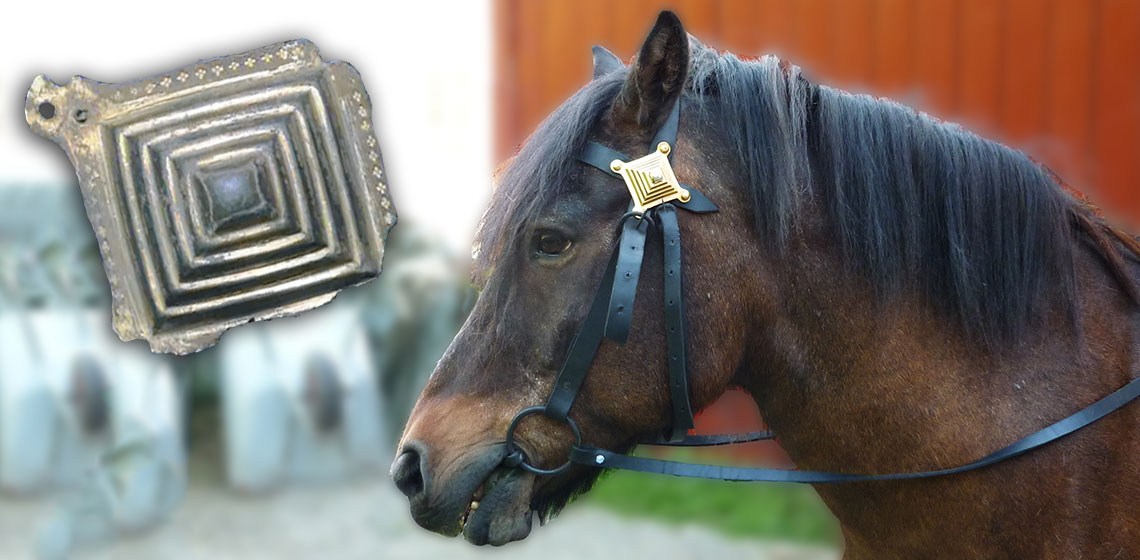
An Iron Age Horse Bridle Reconstructed: Design, Action and Usability