
ceramics
Bonfire or Kiln? Experimental Pottery Firing and Technological Control in Greyware Production
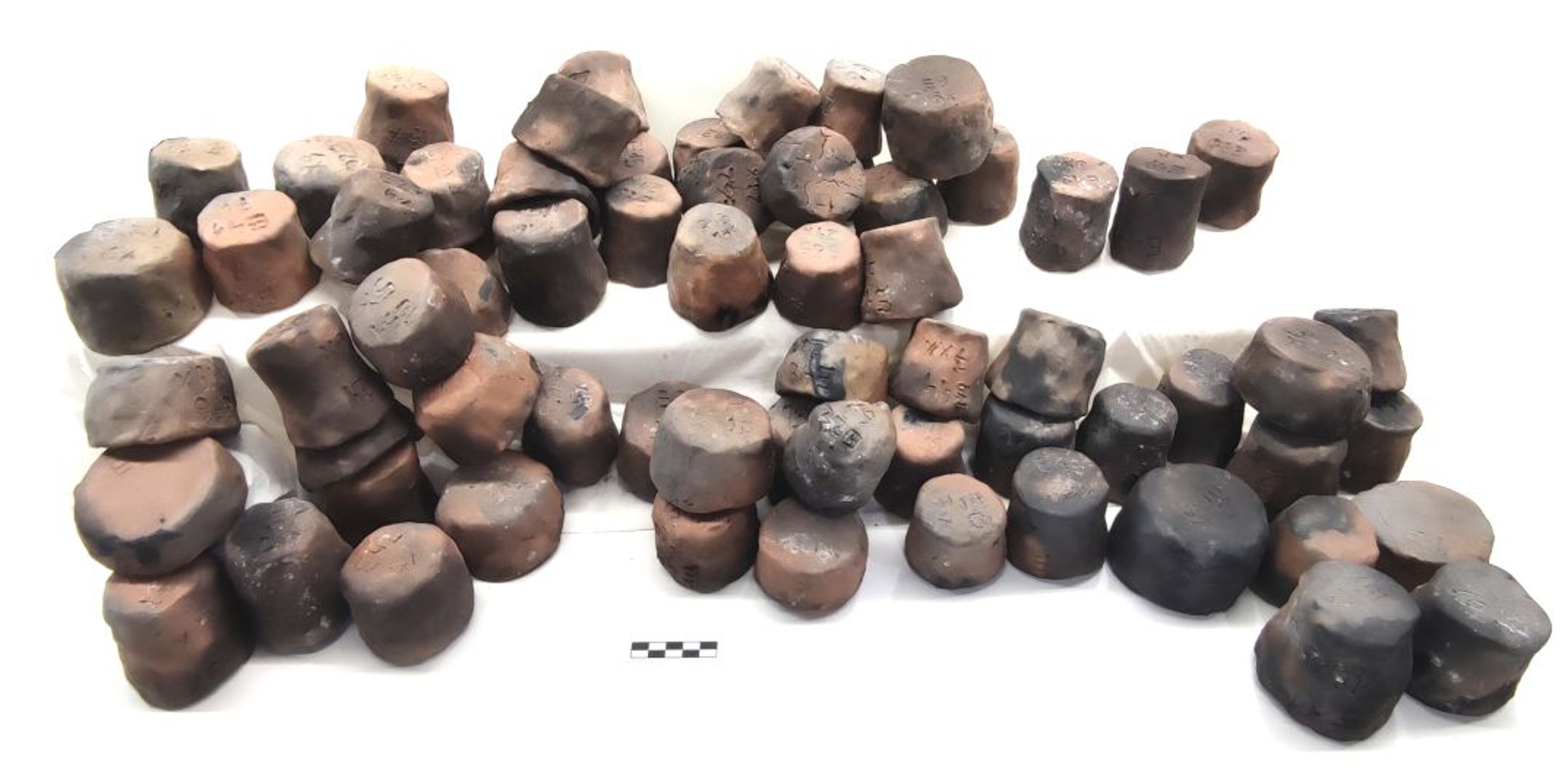
This paper presents the preliminary results of an experimental programme designed to explore firing technologies associated with greyware pottery production. Two experimental firings were conducted at the archaeological sites of Santa Margarida and l’Esquerda (Catalonia), using contrasting firing structures: an open bonfire and a small single-chamber kiln. Both experiments were systematically documented through temperature monitoring, observation of combustion and cooling processes, spatial recording of the vessels, and archaeological excavation of the resulting deposits.
Tracing Vessel Use-Lives through Experimental Cleaning, Baking and Burial of Reconstructed Funnel Beaker Pottery
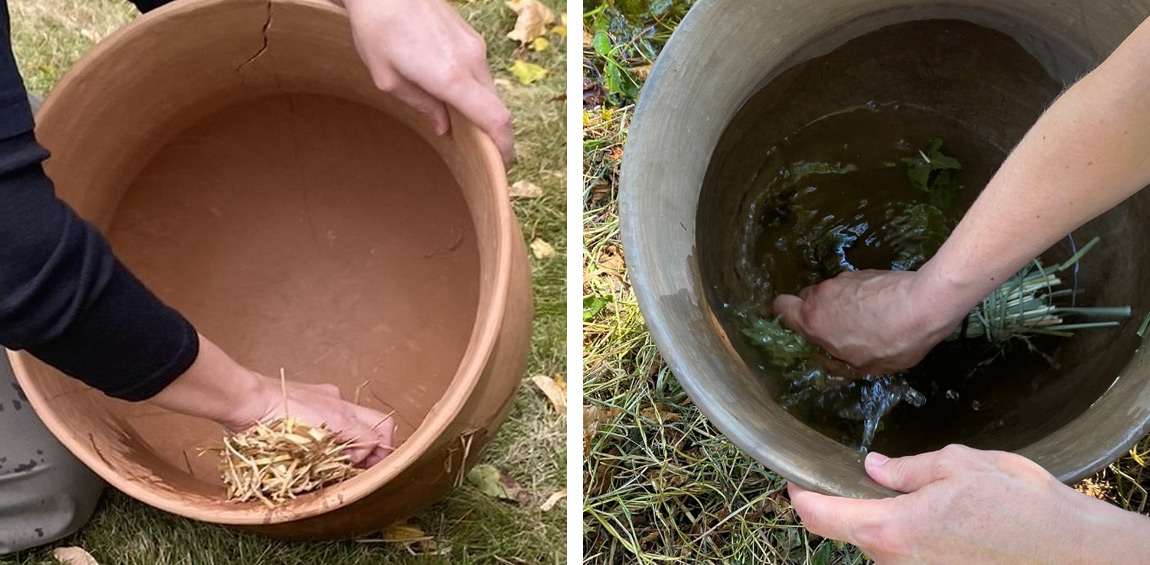
Interpreting Neolithic vessel use requires attention to the long and often complex use-lives through which vessels entered the archaeological record. This article presents an experimental reference collection based on reconstructed South Scandinavian Funnel Beaker pottery, documenting how selected use-trace combinations formed, changed and partly disappeared through repeated use, maintenance and post-depositional processes. Abrasive cleaning removed visible food crusts while producing surface wear, whereas softer organic implements fragmented residues with limited attrition...
How Culinary Arts May Have Contributed to Ceramic Arts in Blacktop Redware from Kerma
Publication Date
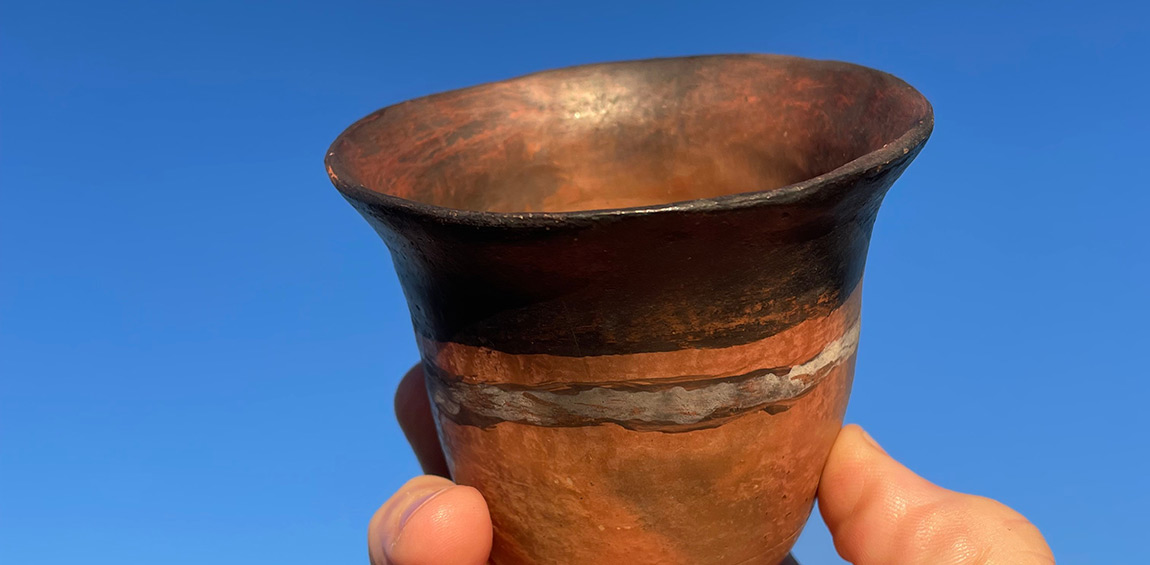
The process of how seemingly deliberate black colour on ancient decorated pottery was achieved in various cultures throughout history has been of great interest to me as a potter for several years. Many modern potters with the same interest have replicated black, or combinations of black and other colours on the surface of vessels with various minerals, clay, and firing techniques (Ward, 2026).
Breaking the Mould: Production of Early Ceramic and Aceramic Forms at the Coves de Santa Maira
Publication Date
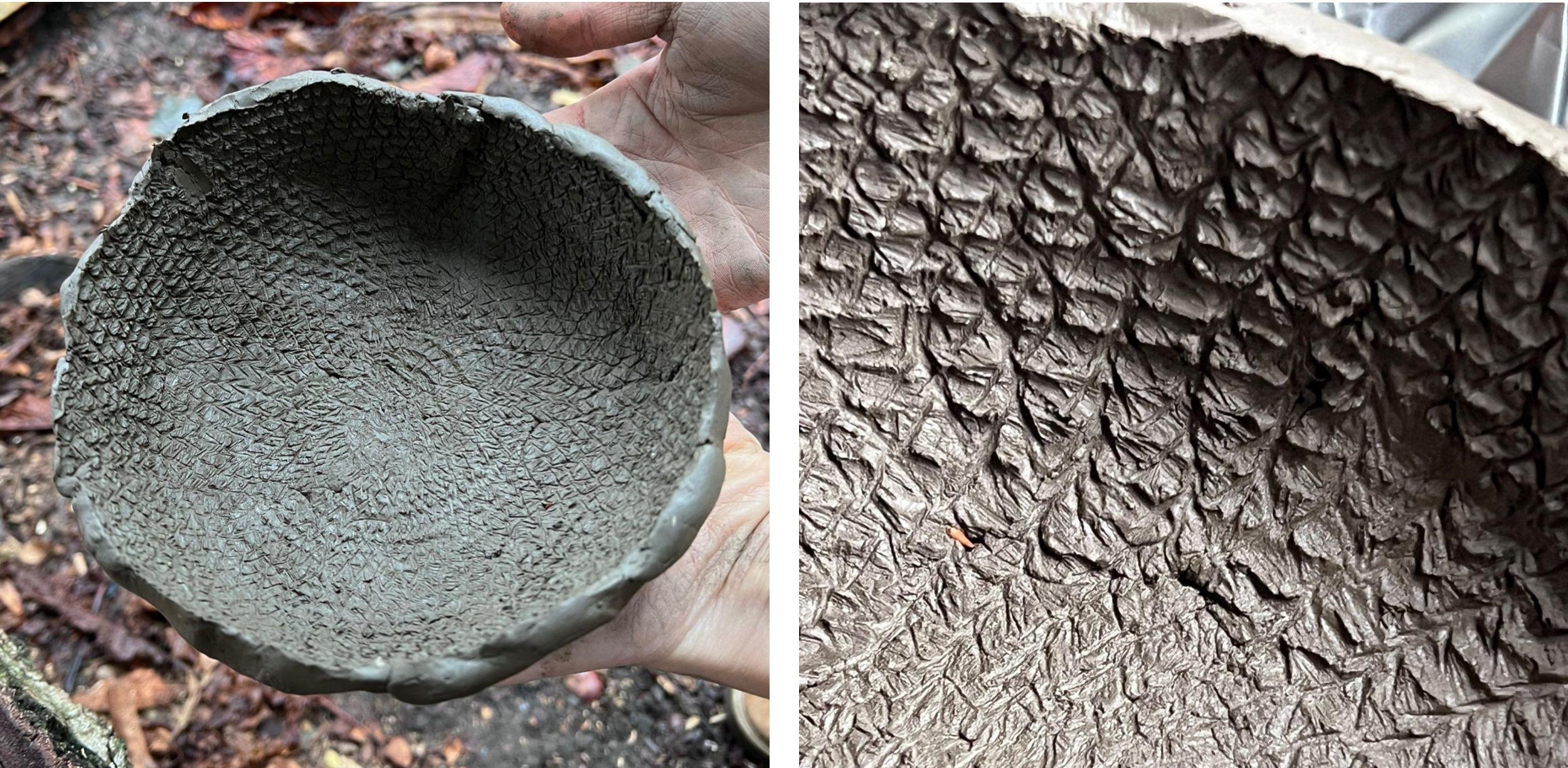
Ceramics are a keystone of early technological development for many ancient cultures, but their development is far from linear or simple. Ceramic artefacts, through examination of their production and use, give insights into many aspects of life by those who made and used them including cooking, food storage, mobility, pyrotechnology, art, and performance. Ceramic fragments uncovered at Coves de Santa Maira in eastern Spain may shed light on the early development and use of ceramic vessels in Western Europe during the Final Magdalenian, Epipaleolithic and Mesolithic (Aura Tortosa et al., 2019). Using experimental techniques, this article explores the production and use of various clay and ceramic forms of which the fragments were once a part...
Study on the Globular-Bellied Vessels of the Zhongshan State in the Late Bronze Age of China

Publication Date
To interpret the manufacturing techniques of globular-bellied vessels from the Zhongshan State of China’s Late Bronze Age (770 BCE–221 BCE), experimental reconstruction was carried out. Based on the experimental results, it can be concluded that these vessels were composed of three separate components: the lid, the spherical body, and the flared base, which were integrated into a single unit through a specialized assembly technique. Specifically, the three components were first individually fabricated, the spherical body and flared base were then polished and incised with decorative patterns before being bonded into an integrated unit. Finally, this unit was combined with the lid to form a complete vessel. It should be emphasized that...
Documenting Traces Left on Ceramic Surfaces by Tools Used for Treatment and/or Decoration: an Experimental Approach

Publication Date
This study explores the role of experimental archaeology in investigating ancient ceramic production techniques. Utilising materials analysed by Rammo (2017) from the fortified settlements of Asva, Ridala, and Iru in Estonia, we focus on two types of impressions on sherds dated to the beginning of the 1st millennium BC. Our aim was to test the hypotheses concerning the execution methods of these impressions and evaluate the effectiveness of experimental methodologies in recreating them...
Event Review: Vounous 2024

Publication Date
The annual Vounous Symposium was once again held at the site of the Bronze Age cemetery in Çatalköy, Northern Cyprus, from 1-16 September. Over 60 artists and researchers from Europe and America participated in the event, recreating Bronze Age Vounous ceramics. As in past years, artists, craftworkers, and researchers gathered from around the world to participate and experiment with...
Approaching Pottery Burnishing through Experimental Firings

Publication Date
This study assesses the impact of firing on burnished ceramic surfaces. For this task, two main factors related to burnishing were examined and evaluated, the reflection of the ceramics and pottery surface sheen. Macroscopic observations on the burnished surface were made with the naked eye...
Reconstructing the Pyrotechnological Development of the Harappans Using Ethnoarchaeological Parallels in The Region of Ghaggar, India

Publication Date
Indus Valley Civilization flourished in India and Pakistan owing to its technological advancements dating back to the 3rd millennium BC. The present paper aims to trace the emergence of pyrotechnology through documenting the industrial settlements that have been excavated in recent years, as well as locating the potential trading network for the craft items being produced at these small settlements on...
Experimenting with the Ancient Greek Pottery Production Process from Clay Selection to Firing in a (Re)constructed Updraft Kiln

Publication Date
This article presents an experimental archaeology project that aimed to reproduce the Hellenistic Greek pottery production process. The project's main research questions were focused on understanding how locally available raw materials and climatic conditions influenced the production process and how the process created social networks with the local community...