
ceramics
Pottery at the Scottish Crannog Centre
Publication Date
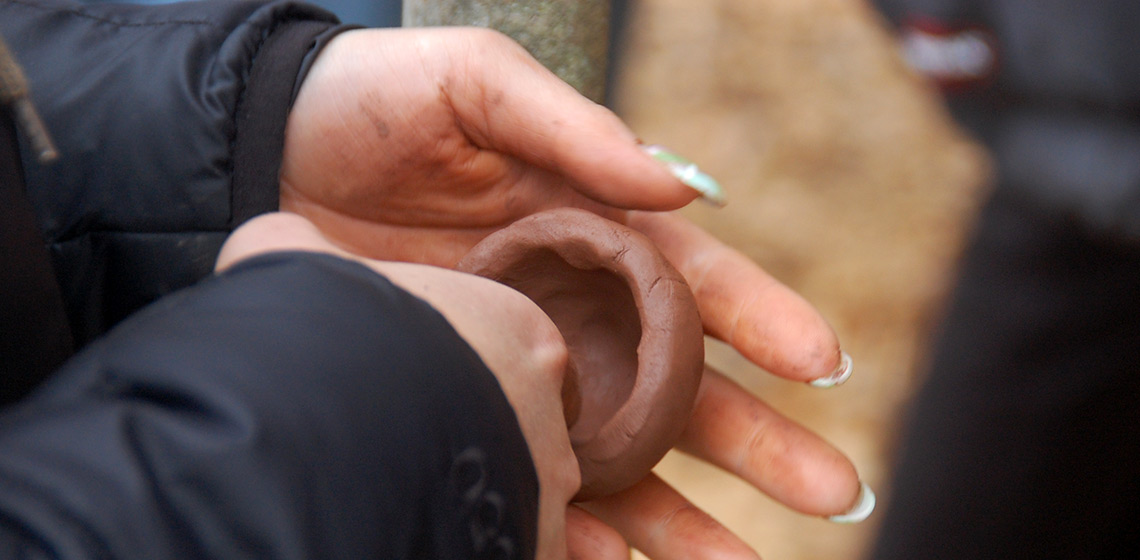
The Scottish Crannog Centre, an open-air museum on Loch Tay in Highland Perthshire, has been able to do some really meaningful, powerful work over the past 12 months focusing on the power of prehistoric pottery! Supported by the Esmee Fairbairn Collections Fund and the Headley Trustand Art Fund, the project has led to new relationships, a new strategic partner for the organisation and ...
Call for information: Recycling in the Late Neolithic at the Vlaardingen site of Den Haag-Steynhof

Publication Date
The Putting life into Late Neolithic houses project looks at all the different aspects of what life could have been like for “the people in the Rhine/Meuse delta at about c. 2900 – 2500 BC.” (www.puttinglife.com). This is not only done by academic research, experiments, and material analysis, but also through illustrations produced by archaeological reconstruction illustrator Kelvin Wilson.
Different Vessel Surface Polishing Methods and Mutual Effects of their Applications
Publication Date
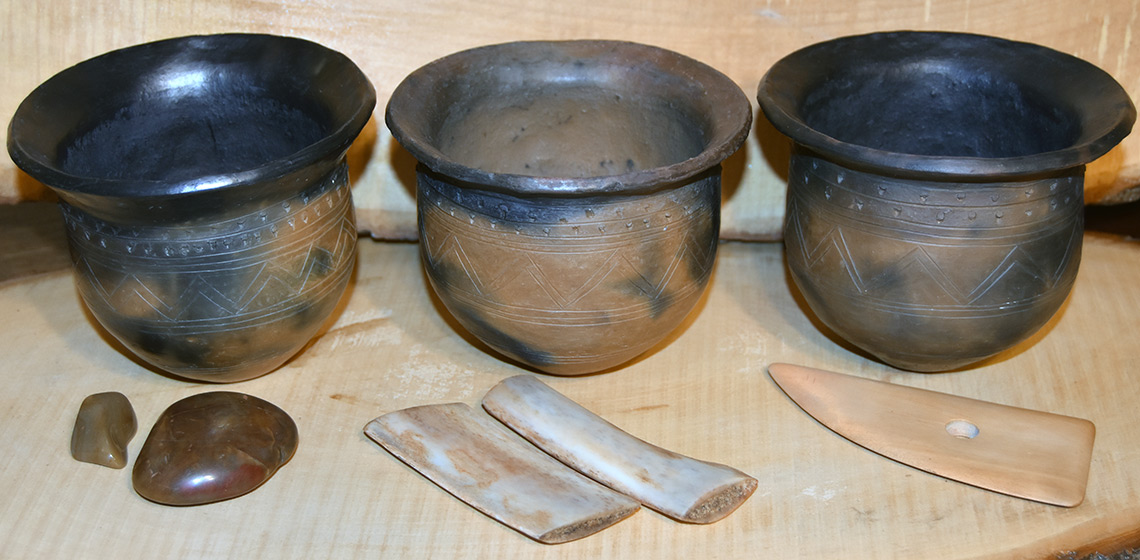
The discovery of an excavated cup with a glossy surface prompted reflection on the polishing of vessel surfaces and their mutual significance. We present the results of the application of three different polishing methods along with a reflection on their function and on the skills and ability of the potter...
Scored Basins from Late Minoan Crete: an Experimental Interpretation from Construction to Functionality
Publication Date
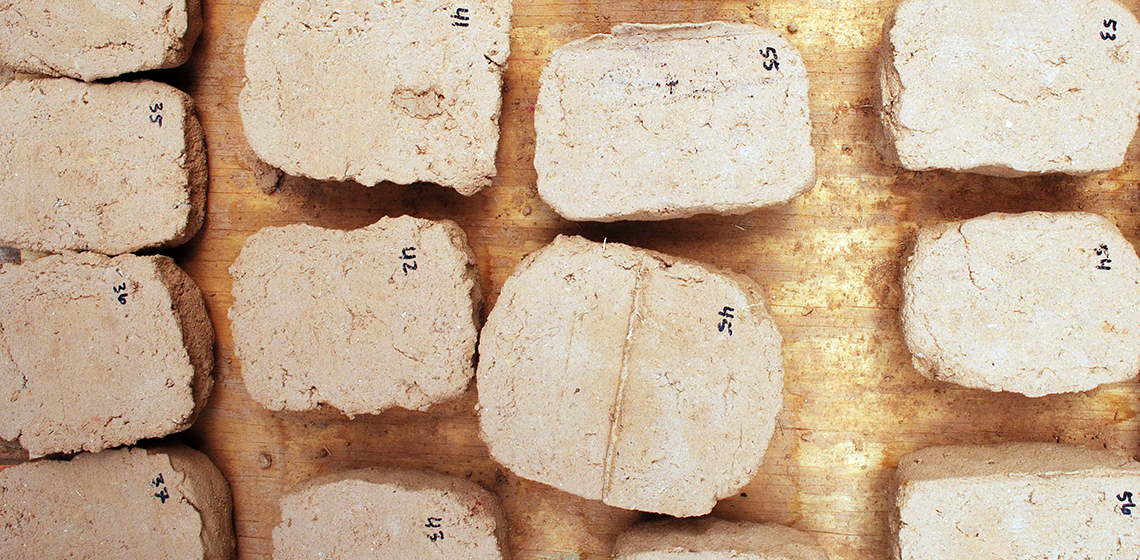
During the Bronze Age in Crete, agriculture, pottery production, metallurgy, textiles, architectural feats, trade, and other specializations flourished. Throughout habitation on Crete, pottery production was an area of craftsmanship and practicality from the end of the Neolithic to Mycenean and Iron Age. This experiment, however, relates to the Late Minoan I period in the geographical region of Mochlos...
An Experimental Approach to Assessing the Tempering and Firing of Local Pottery Production in Nubia during the New Kingdom Period
Publication Date
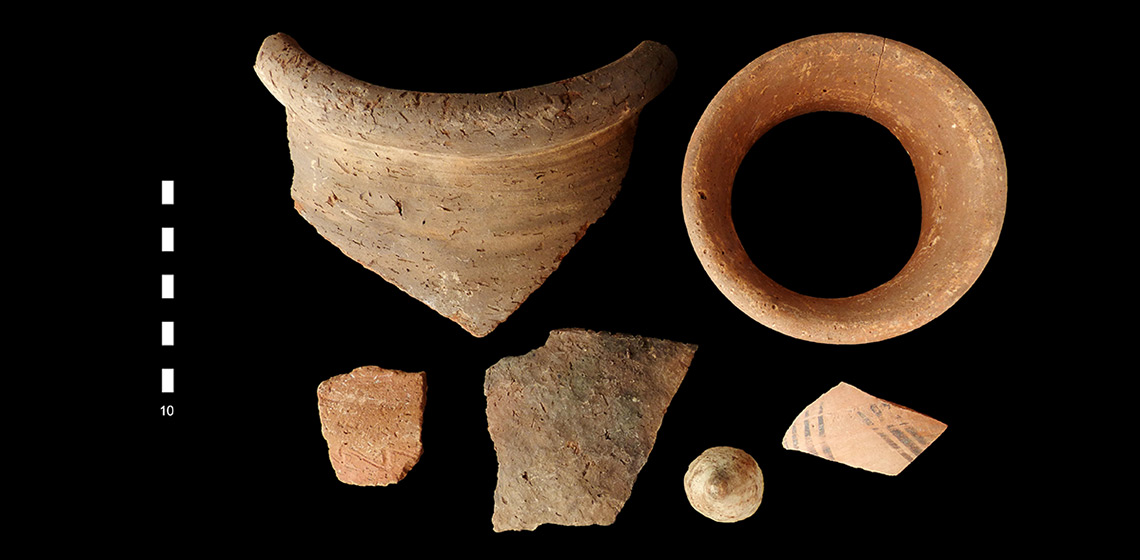
Recently, the development of an independent strand of study, known as the ‘archaeology of dung,’ has resulted in numerous cross-geographical publications confirming the use of animal dung in archaeological deposits as the main fuel source and several other purposes. Most of these studies focus on the analysis of the microscopic evidence attributable to dung...
Preliminary Observations of Potsherds Rounding in the Estuary of the Morye River – an Analog of Paleo-Okhta
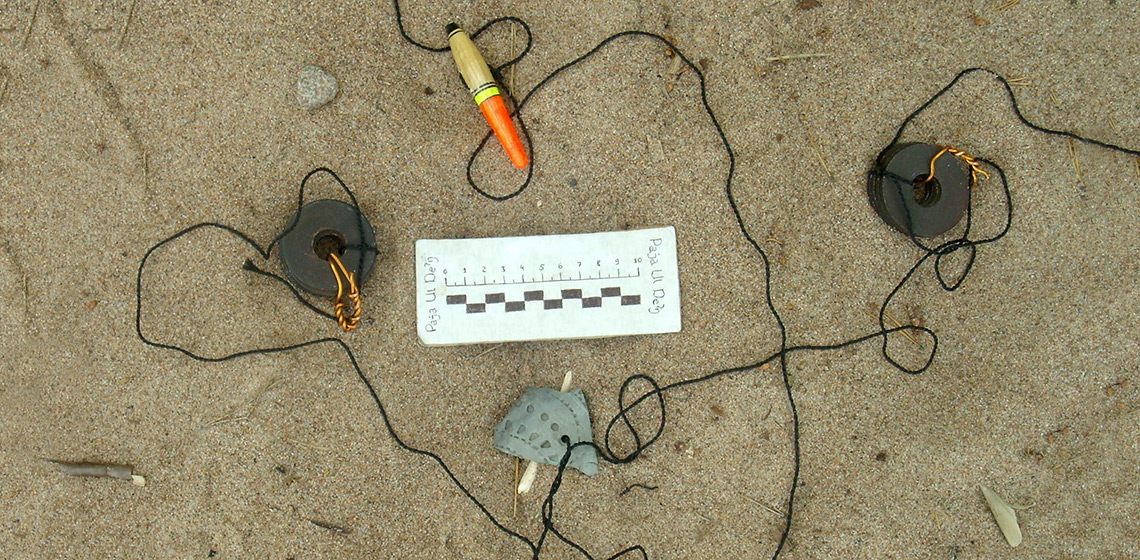
Publication Date
One of the arguments proposed for interpreting the Neolithic site of Okhta as a settlement is the fact that potsherds found upon the site show no signs of rounding. Interpretation of the site as a settlement correlates poorly with the geological data, which suggests that, in the Neolithic period, the site was the bottom of a shallow bay of the Littorina Sea into which Paleo-Okhta and Paleo-Tosna flowed...
Assessing Forming Techniques of Athenian Ceramic Alabastra
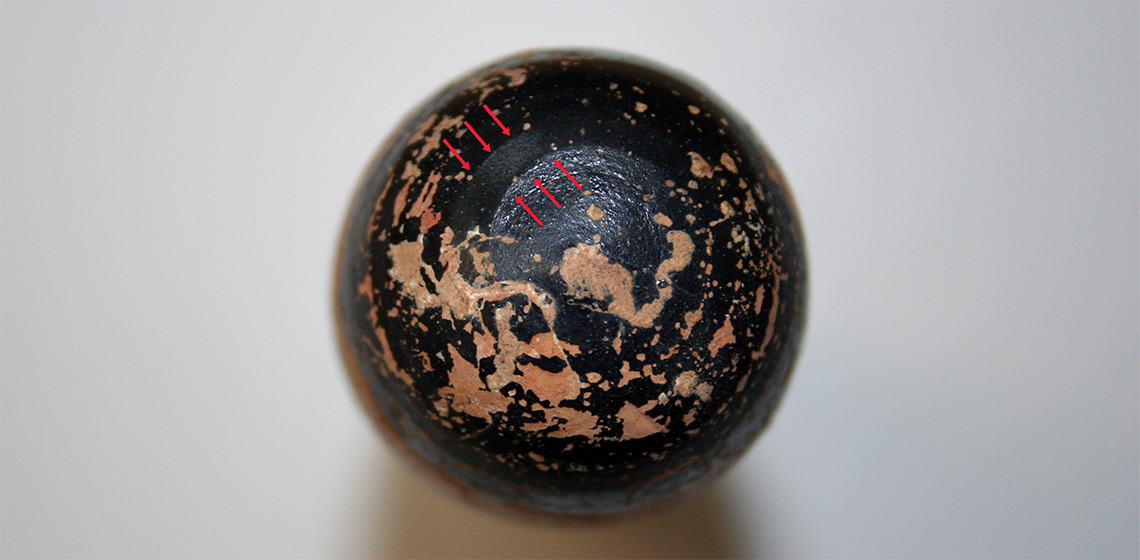
Publication Date
Athenian black-figure and red-figure vases have not been the subject of many studies specifically devoted to vase-forming techniques, since researchers have primarily focused on their decoration. The study of the Attic alabastron, a perfume vase shape produced in Athens between the middle of the sixth century and...
Some Reflections on the Origin and Use of the Potter's Wheel during the Iron Age in the Iberian Peninsula. Interpretive Possibilities and Limitations
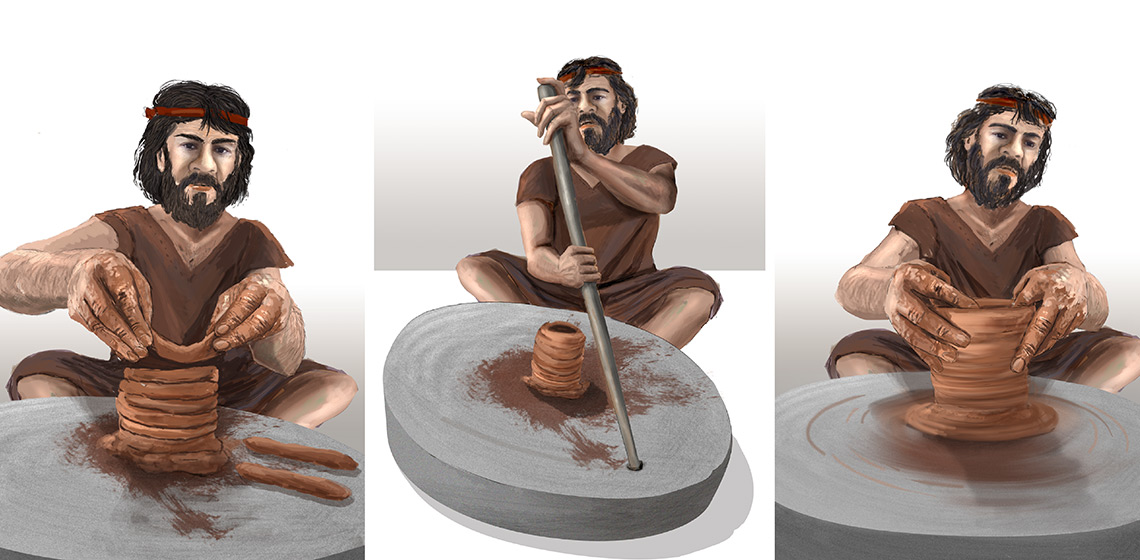
Publication Date
An abundance of past research has addressed Iron Age pottery in the Iberian Peninsula since the beginning of archaeological analysis in Spain. However, it has mainly focused on examining historical-cultural aspects linked to specific chronologies and typologies. It is only rarely that studies have been concerned with production processes. Ethnography has traditionally been used to make direct ...
Identifying Ceramic Shaping Techniques: Experimental Results Using the Inclusion and Void Orientation Method
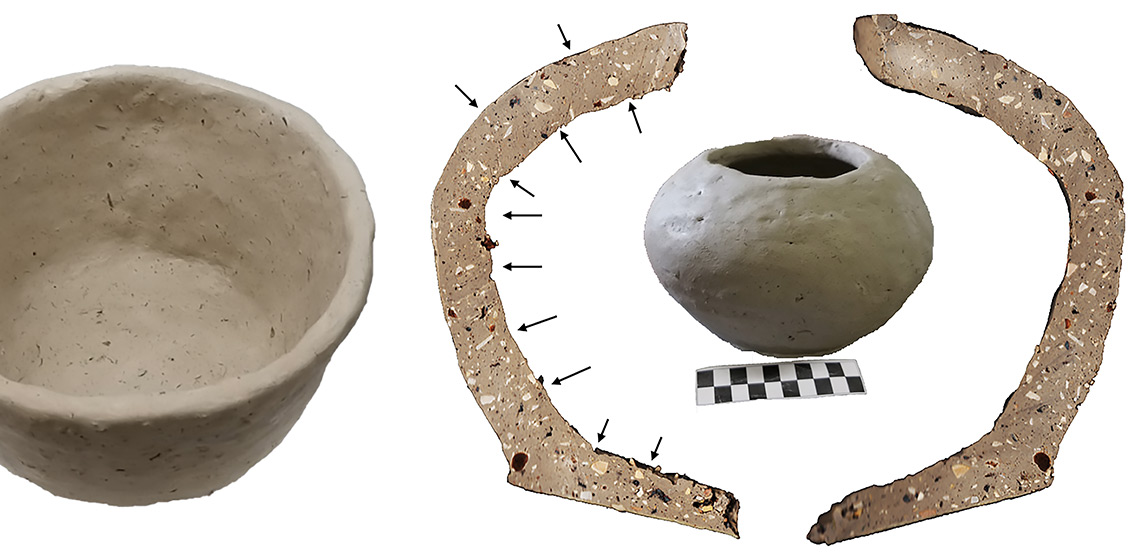
Publication Date
This contribution presents the results of experiments using a simple but effective inclusion and void orientation method for identifying shaping techniques on cut and scanned vessels and sherds. Not only does it provide an additional line of complementary evidence for differentiating ceramic chaînes opératoires, but we argue that it offers observations not accessible by other imaging methods and scales of analysis...
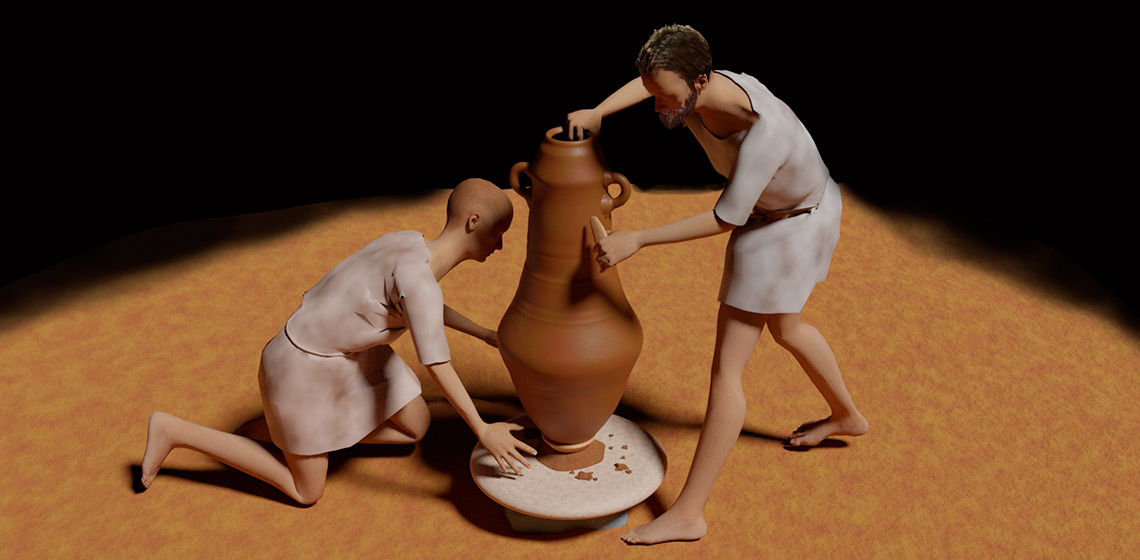
Throwing Punic Amphorae: An Archaeological and Experimental Approach to the use of the Potter's Wheel in southern Iberia during the Iron Age
Publication Date
The transport of food products in amphorae was a basic pillar for the maritime-oriented economies and sustenance supplies of the Phoenician and Punic communities of first millennium BC southern Iberia. Over the last few decades, numerous investigations have been carried out aimed at identifying the manufacturing sites of these amphorae, at defining both their typological and chronological aspects...