
textile
Is it Possible to Weave 8.end Satin with 5 Rods on a Warp-weighted Loom?
Publication Date
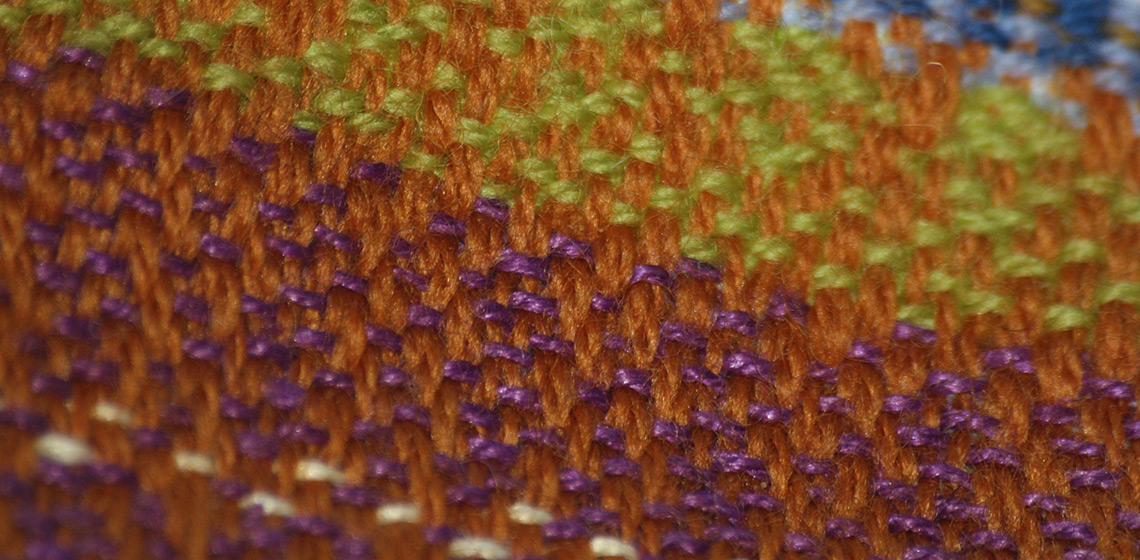
Back in 2020, I wrote an article entitled The Shroud of Turin and the Extra Sheds of Warping Threads (Olsen, 2020). When I was studying the weaving theory, I realised that it might be possible to weave 8-end satin with five rods on the warp-weighted loom. To date, I have not encountered any historical find showing satin woven on a warp-weighted loom...
Tarquinia’s Tablets: a Reconstruction of Tablet-Weaving Patterns found in the Tomb of the Triclinium
Publication Date
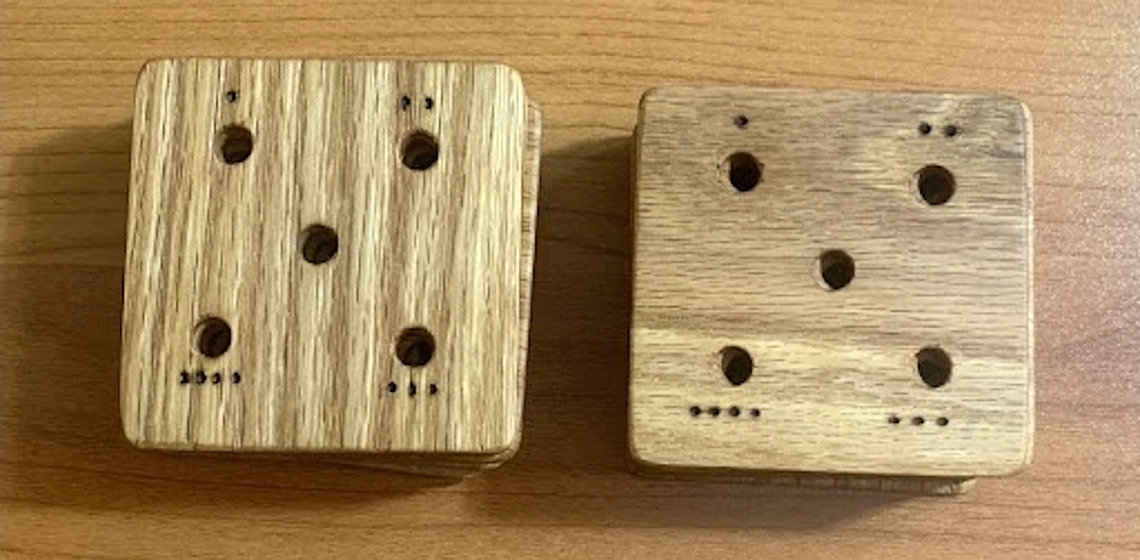
Within textile Archaeology several key Etruscan sites provide experimental archaeologists with ample evidence for research and recreation. This project aims to look a the textile patterns themselves, and how these weavers might have created the images found on famous Etruscan paintings...
Function Follows Form: Assessing the Functionality of Shells and Greenstone Shell Effigies as Formative Period Mesoamerican Textile Fabrication Tools, Part 1: Tagelus plebeius Atlantic Stout Razor Clam Shells
Publication Date
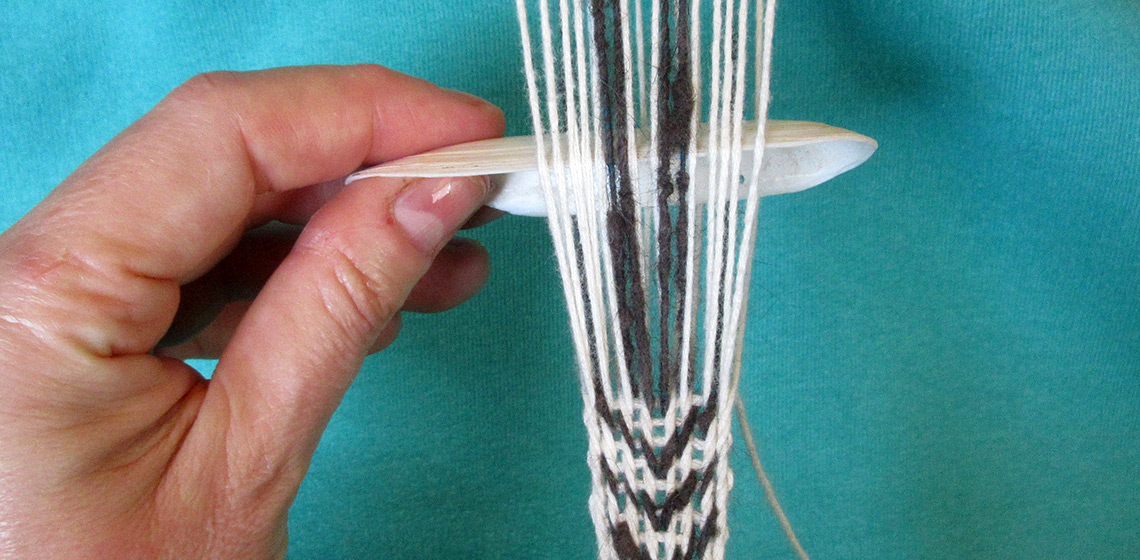
Although the importance of textiles in Mesoamerica from the Classic period (AD 250-900) onward is well-recognised, until recently little research or exploration of earlier Mesoamerican textile production has been conducted. This paucity of scholarship is attributable predominantly to the scant preservation of perishable ancient tools and textiles...
A Tablet Woven Band from the Oseberg Grave: Interpretation of Motif and Technique
Publication Date
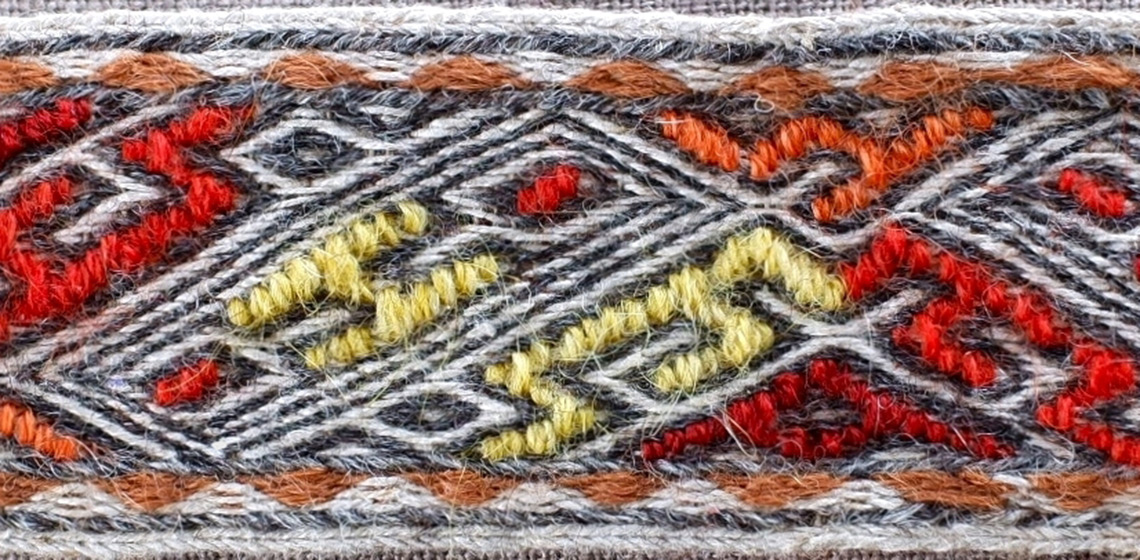
In this article, the intention is to show the documentations behind the reconstruction of a tablet woven band from the Oseberg discovery catalogued as 13B2. Parts of the band are well preserved, and it is possible to interpret motifs and techniques with considerable confidence. Some parts are poorly preserved and are not possible to interpret clearly...
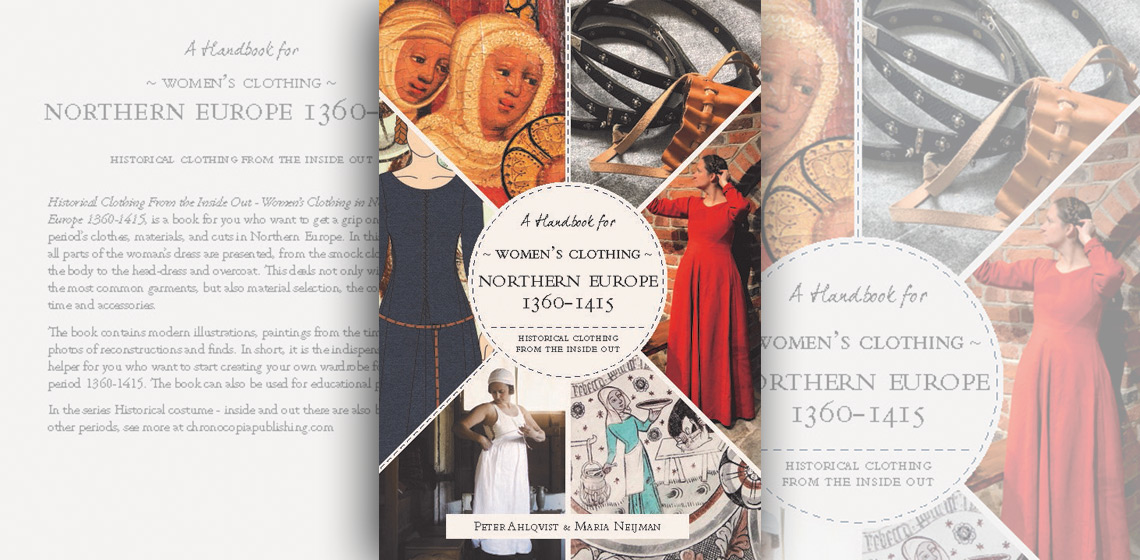
Book Review: A Handbook for Women’s clothing, Northern Europe, 1360-1415 by Ahlqvist and Neijman
Publication Date
The book gives a short historical overview of major events in the chosen area, followed by an informative chapter on colours, a likewise very competent chapter on fabrics, and one on sewing techniques. Then the dress parts are presented, with very clear and informative modern illustrations. The focus is on ordinary dresses, not the really posh ones.
There are no sewing patterns as such, but the experienced seamstress can easily transfer the small silhouette patterns to real patterns, or one can search the bibliography in the book for relevant publications.
Ancient Greek Weaving, Experimental Archeology on Greek Textiles and Household GDP
Publication Date
#EAC12 World Tour 2021
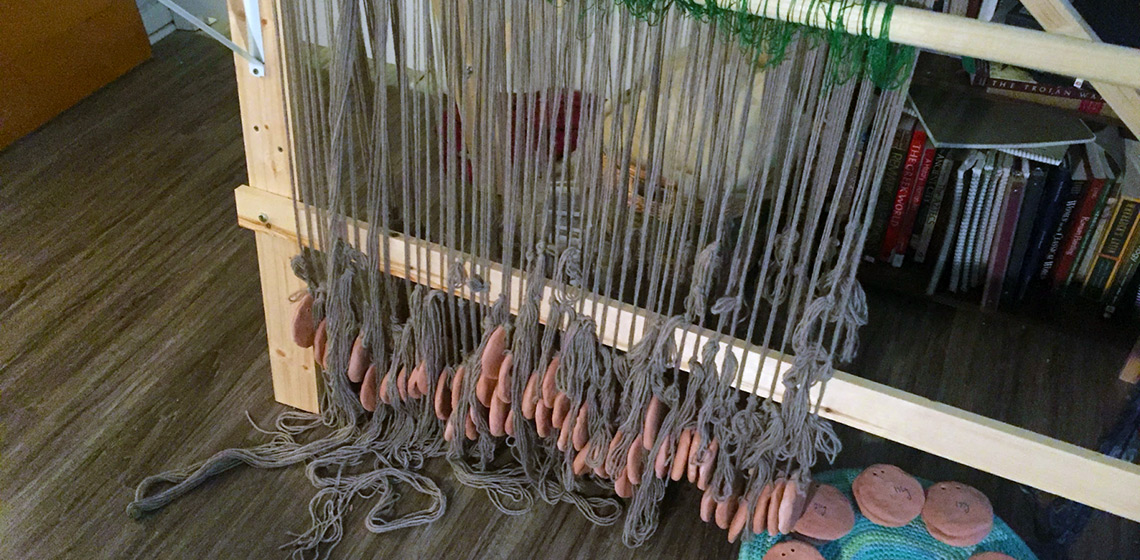
***This paper outlines the experimental weaving project of an ancient Greek chlamys to investigate the weaving production capacity of a typical household and reconstruct women’s contribution to household GDP in ancient Greece. While some scholars have researched finer textiles and tech-niques based on visual evidence...
***This paper outlines the experimental weaving project of an ancient Greek chlamys to investigate the weaving production capacity of a typical household and reconstruct women’s contribution to household GDP in ancient Greece. While some scholars have researched finer textiles and tech-niques based on visual evidence...
Before They Dyed. Mordants and Assists in the Textile Dyeing Process in Anglo-Saxon and Anglo-Scandinavian Britain: An Experimental Approach
Publication Date
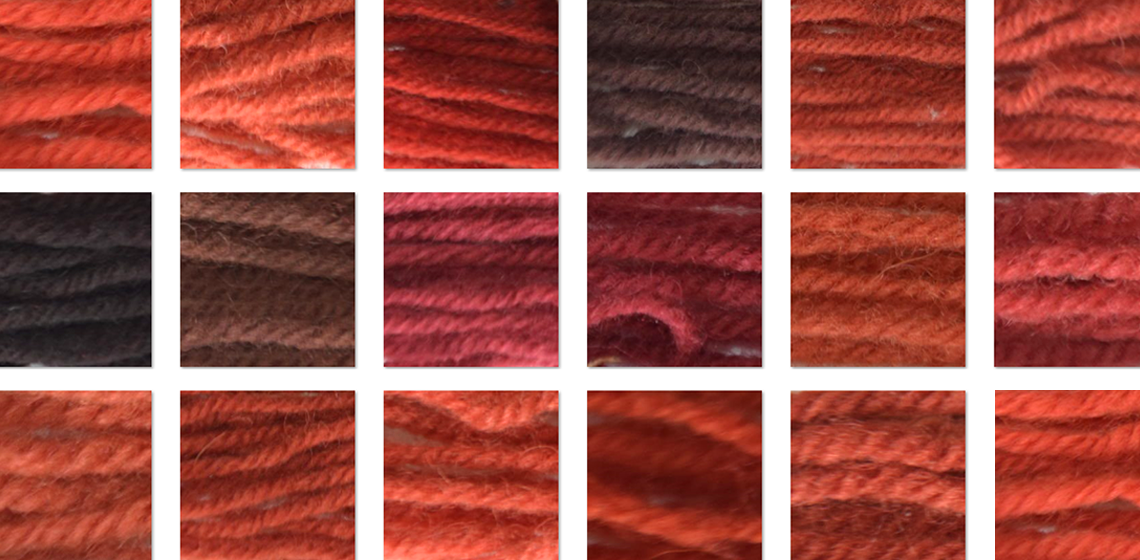
The experiment aimed to investigate certain aspects of the textile dyeing process in Anglo-Scandinavian and Anglo-Saxon Britain: substances known as mordants and assists. This aspect of the dyeing process is often omitted by researchers, who mostly focus on dyestuff as a source of colour. Mordants and assists deserve wider research, however, as they play a great part in the dyeing process...
More Testing of Mesoamerican Lunate Artifacts as Possible Loom Weights, that also Functioned as Twining Tools
Publication Date
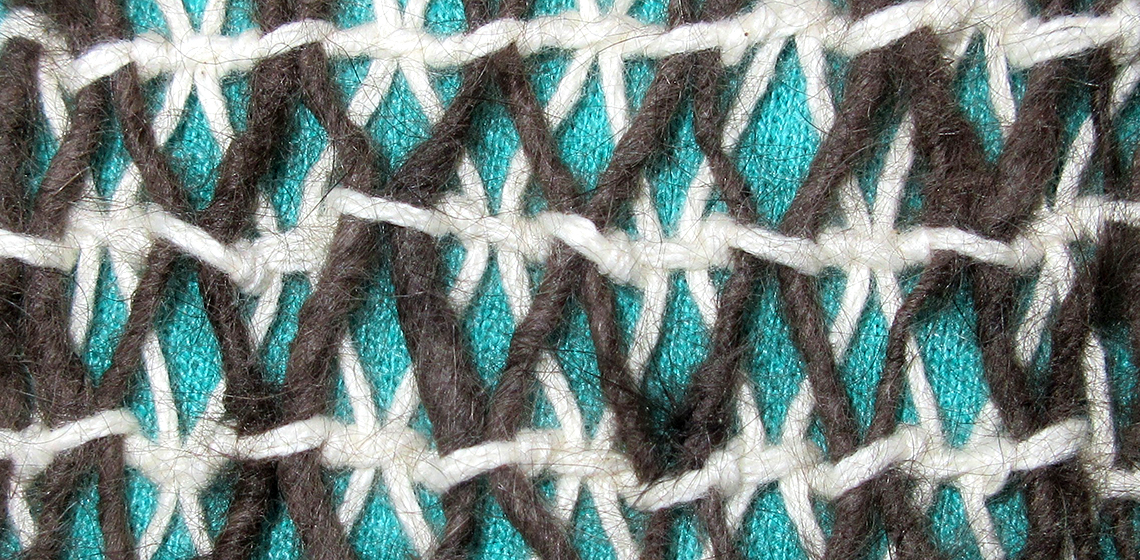
In previous replication studies and experiments, a lunate jade artifact from the Pre-Classic/Formative period (1500 BC-AD 250) of Mesoamerica was analysed, researched, and tested for its similarities to the crescent weight, a specialized type of loom weight found in ancient Central and Southern Europe. These analyses successfully established that...
Bast, Ferns, and Mud: Experimental Recreation of a Kapa Kaha (Barkcloth)
Publication Date
#EAC12 World Tour 2021
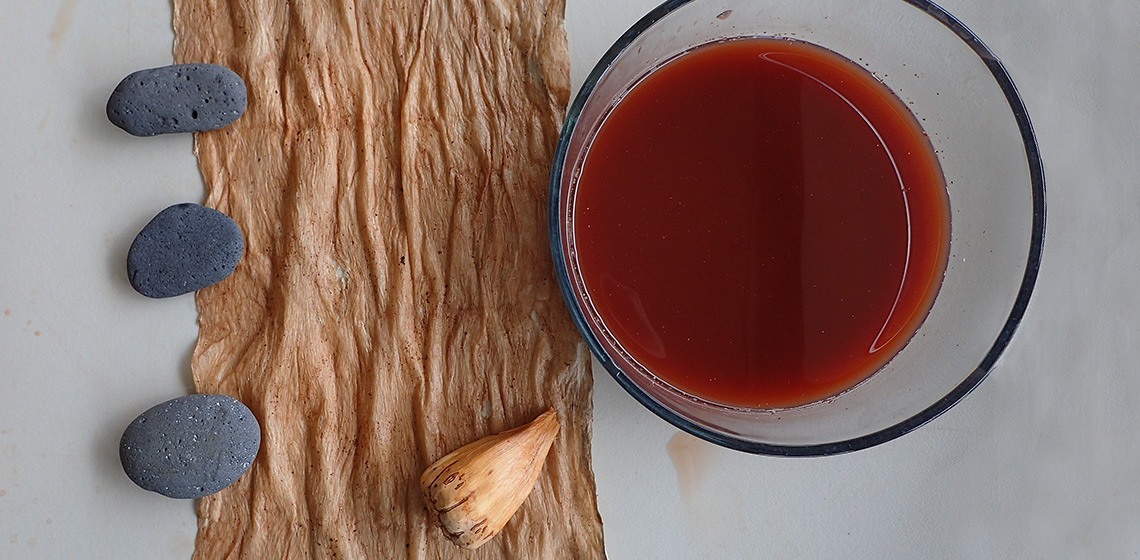
***Kapa (Hawaiian barkcloth) was the ubiquitous fabric of historic Hawaiʻi, used for everything from clothing to bedding, from swaddling newborns to enshrouding the deceased, and all things in between. This textile is crafted from the bast (inner bark) of several plant species...
***Kapa (Hawaiian barkcloth) was the ubiquitous fabric of historic Hawaiʻi, used for everything from clothing to bedding, from swaddling newborns to enshrouding the deceased, and all things in between. This textile is crafted from the bast (inner bark) of several plant species...
Book Review: Weaving a Realm, Vietnamese clothing from around 1500 AD

Publication Date
What a pleasure it was when this book landed on my coffee table! The book is bilingual Vietnamese – English, well designed and covers over 200 pages with hundreds of full-colour images. The book is a joint project by several Vietnamese from around the world who wished to add to the awareness of Vietnamese identities around the world. Viet Nam is so much more than what people remember of the Vietnam War...